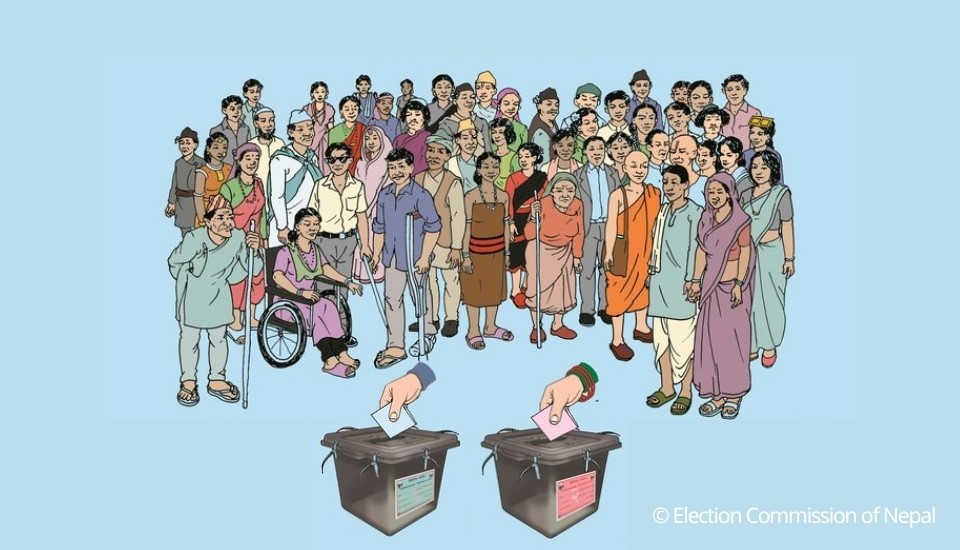
Active citizen engagement in democratic processes—through elections, political parties, media, and civil society—is crucial for holding governments accountable. As part of the Asia Democracy Research Network (ADRN) project, the East Asia Institute (EAI) released a series of working papers analyzing vertical accountability in eight Asian countries. These studies examine gaps between accountability institutions and their practical implementation, while proposing reforms for the future. The researchers highlight the importance of safeguarding the independence of electoral bodies and political parties, as well as fostering civil society activities to counter authoritarian tendencies.
Kaustuv Kanti Bandyopadhyay, “Electoral Accountability in India: Emerging Discourse in the Historical Context”
Devi Darmawan and Sri Nuryanti, “Vertical Accountability in the Case of Indonesia”
Mina Sumaadii and Ganbat Damba, “Vertical Accountability in Mongolia: Challenges to Democratic Progress and the Power of the People”
Alena Sadiq, “Vertical Accountability in Pakistan”
Sunkyoung Park, “Vertical Accountability in South Korea: Analyzing Its de jure and de facto Performance”
Parin Jaruthavee, “Electoral Accountability in Thailand: Analyzing the Laws of the 2023 Election”
[EAI-CSIS Closed-door Forum] Advancing Economic Security Forum (AESF) Seoul Round
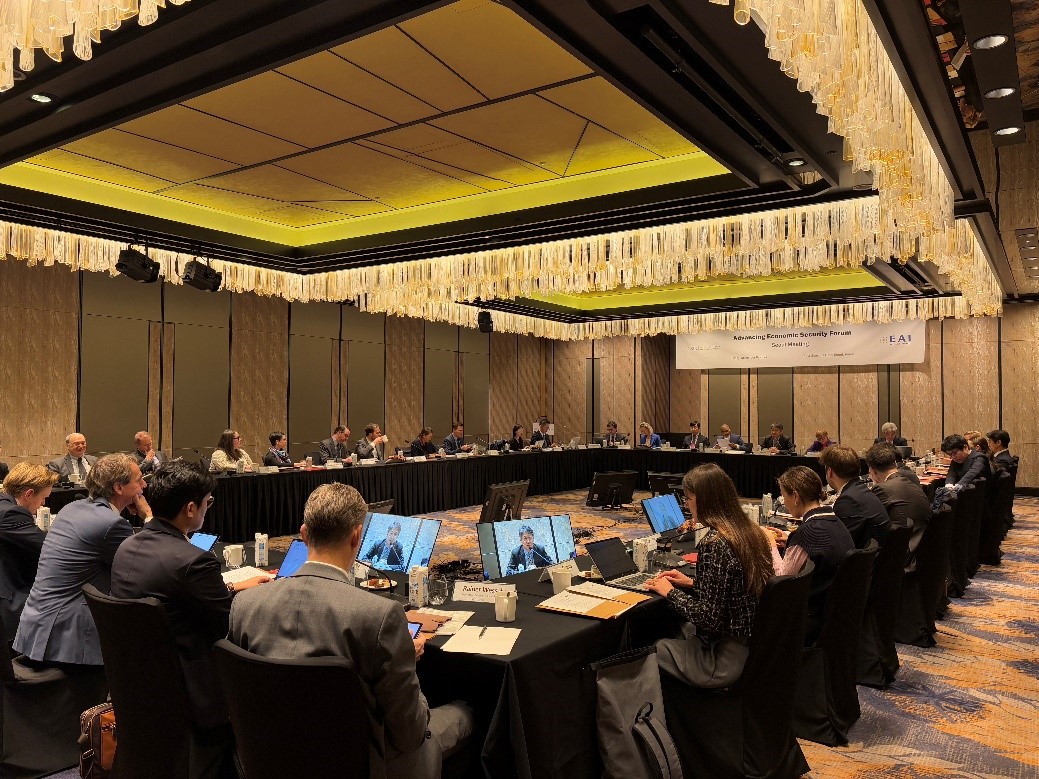
On December 6, EAI co-hosted the Advancing Economic Security Forum (AESF) Seoul Round in partnership with the Center for Strategic and International Studies (CSIS). The AESF serves as a platform for discussions on shared economic security challenges and multilateral policy responses among the United States and its allies. This round focused on key issues such as investment screening, export controls, and policies regulating the transfer of dual-use technologies to bolster economic security. The forum also explored the balance between national security and economic cooperation, highlighting opportunities for further research and policy development in these critical areas.