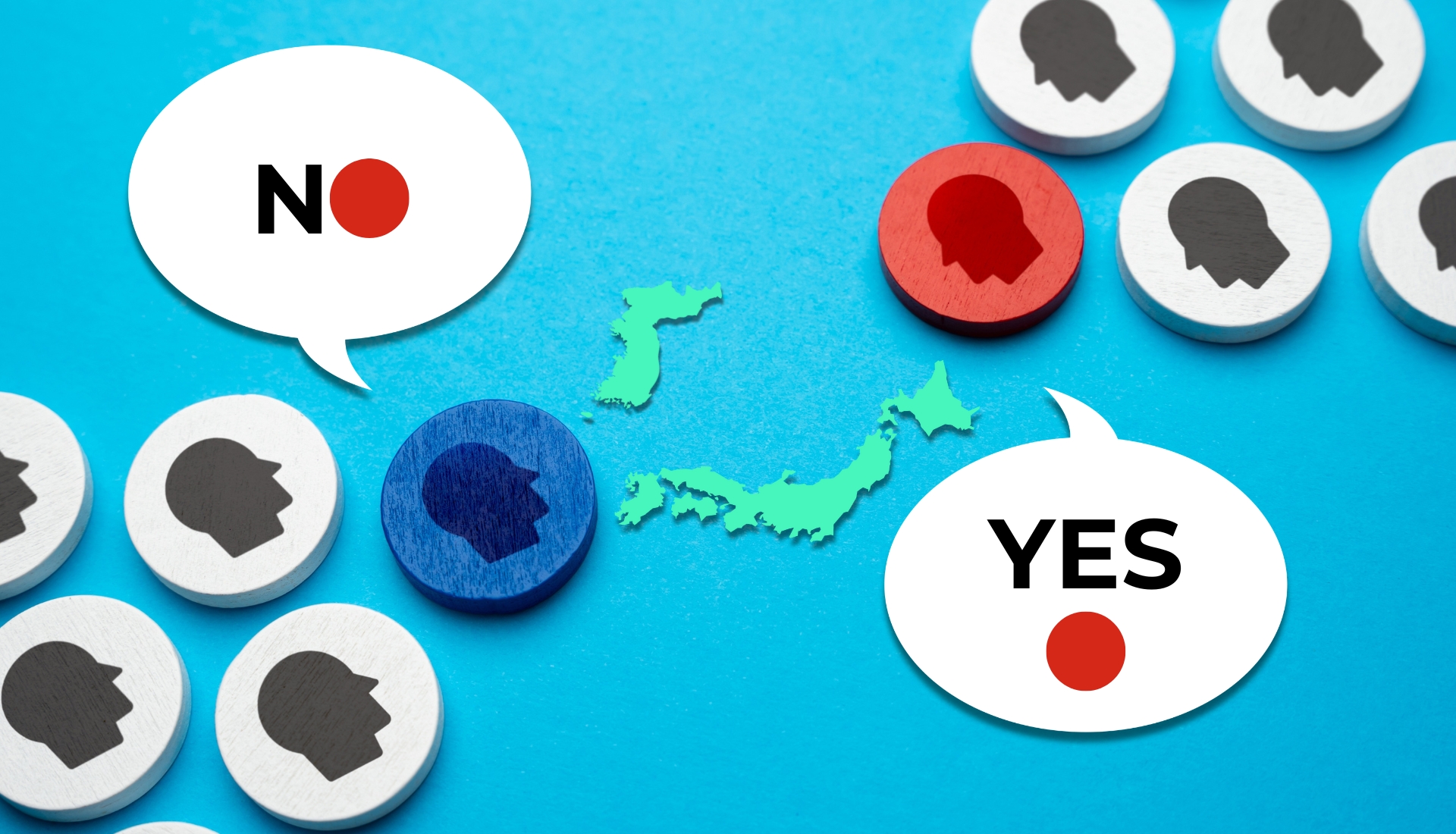
The East Asia Institute (EAI) conducted an online survey in August 2024 to assess foreign perceptions among the Korean public. The findings show that people-to-people and cultural exchanges have led to the most positive impression of Japan since the survey began, though negative evaluations of South Korean government’s policies toward Japan remain prevalent.
In the issue briefing, Yul Sohn, President of the EAI and Professor at Yonsei University, notes that despite improvements in Japan-South Korea relations through strengthened security, economic, and cultural ties, political conflict and public division over historical issues persist. Sohn warns that growing polarization in public opinion could undermine the rationality and credibility of South Korea’s foreign policy toward Japan. He stresses the importance of managing this polarization to ensure that the public’s rational understanding of Japan-South Korea relations is not distorted by partisan divides.
Yul Sohn, “Polarization and South Korea’s Japan Policy: Key Takeaways from the 2024 Public Opinion Survey on Korea-Japan Relations” [Read Issue Briefing]
East Asia Institute, “2024 EAI Public Opinion Poll on International Affairs: Japan and the ROK-Japan Relations” [Read Public Opinion Briefing]
[ADRN Working Paper] Vertical Accountability in Asian Countries: India, Taiwan
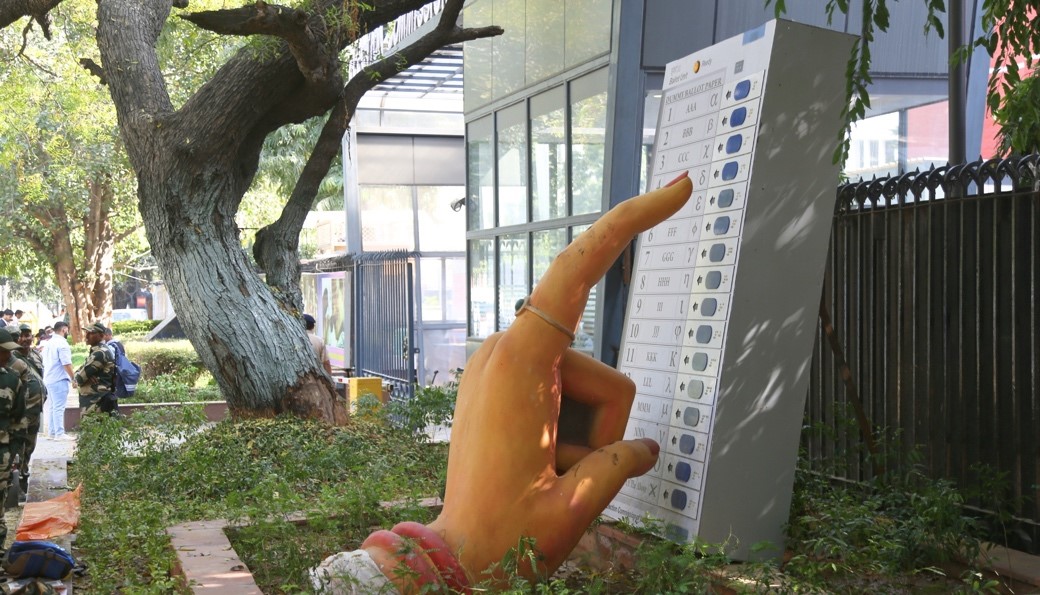
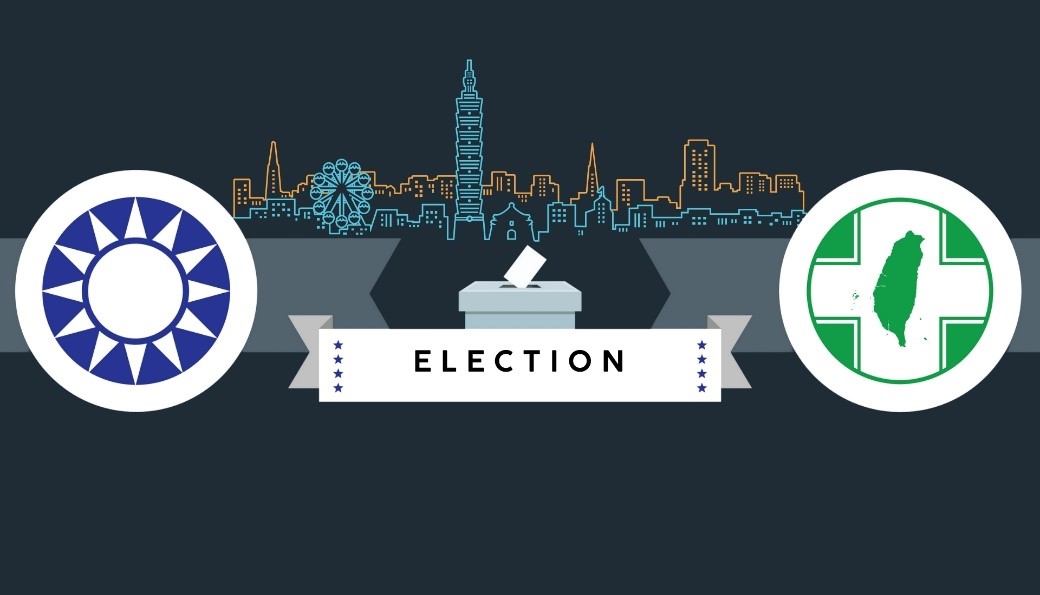
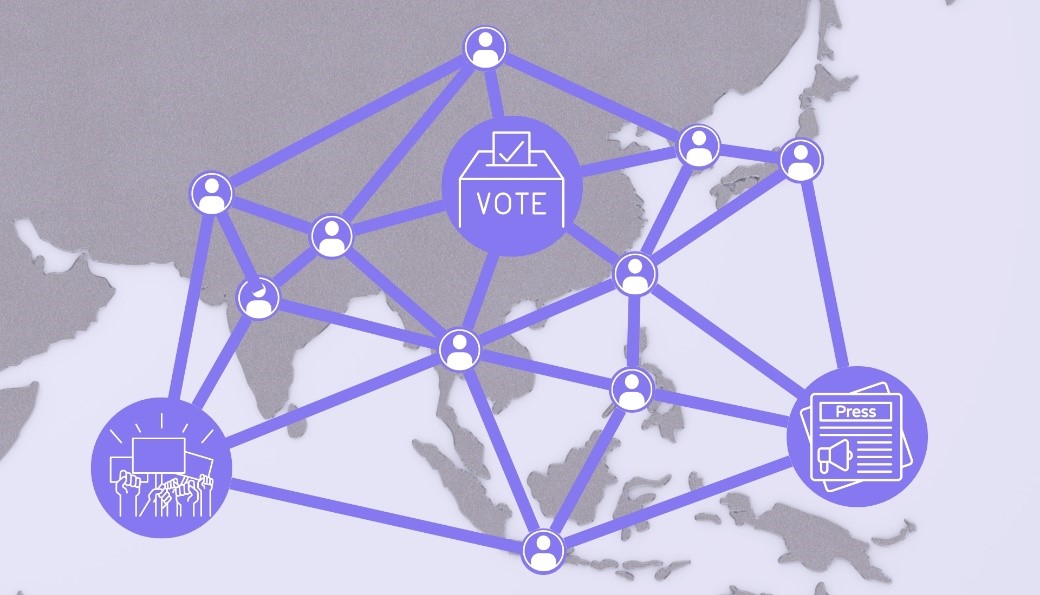
As part of the Asia Democracy Research Network (ADRN) project on vertical accountability, EAI published two interim reports on India and Taiwan. Both countries face challenges that could compromise electoral integrity: low minority participation and flawed funding mechanisms in India, and disinformation from Mainland China along with an over-reliance on referendums in Taiwan. The reports emphasize the need for reforms to strengthen democratic processes, including transparent political funding in India and measures to combat disinformation and prevent government overreach in Taiwan.
Kaustuv Kanti Bandyopadhyay, “Electoral Accountability in India: Emerging Discourse in the Historical Context” [Read Report]
Chin-en Wu, “The State of Vertical Accountability in Taiwan” [Read Report]
“Lessons on Coercive Tactics from the Libya Case”
[Global NK Commentary] Enabling Effective Coercive Diplomacy for DPRK Denuclearization