and Grand Opening of Landmark Headquarters in Sajik-dong
On June 14, 2022, the East Asia Institute (EAI) celebrated its 20th anniversary at its new headquarters located in Sajik-dong. We invited EAI’s leadership, academics, and dignitaries for a day of events including a panel discussion on EAI’s future research agendas under the banner of Korea’s Road to 2050; a ceremony to award some of EAI’s most notable alumni with Medals of Appreciation; followed by a dinner banquet. As EAI embarks upon the beginning of the “Sajik Chapter,” it pledges to continue its role as a thought leader that contributes to future peace, prosperity and cooperation of East Asia.
“North Korea’s Cyber-attacks and How They Help Pyongyang Circumvent International Sanctions”
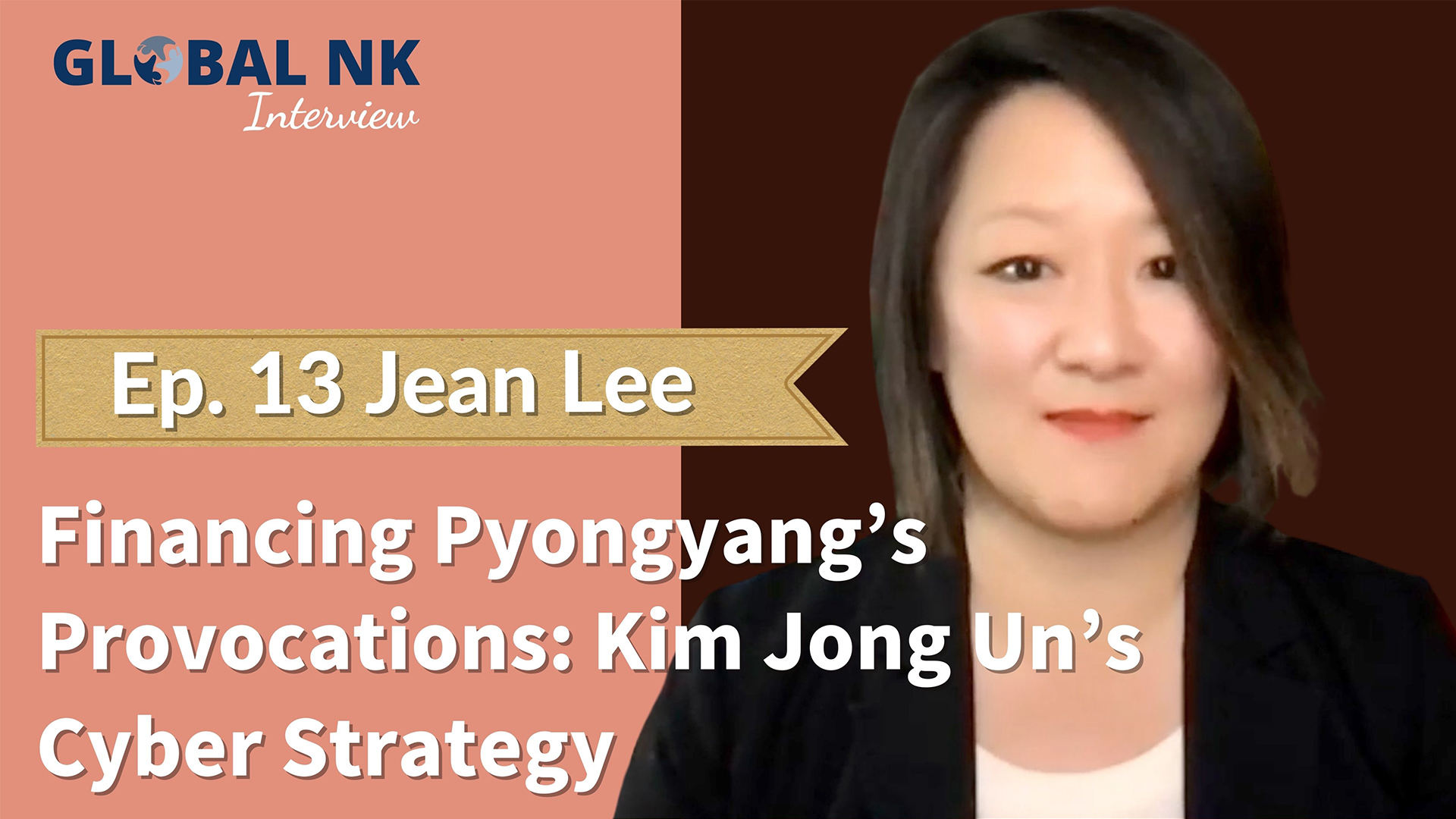
[Global NK Interview] Ep. 13 Jean Lee:
Financing Pyongyang’s Provocations: Kim Jong Un’s Cyber Strategy
Jean Lee, Public Policy Fellow at the Wilson Center, discusses North Korea’s cyber-attacks and how they finance Pyongyang’s missile developments despite the international sanctions against the regime. Ms. Lee notes that Kim Jong-un, early on in his rule, has overseen the cultivation of “cyber warriors,” who have stolen more than two billion dollars in cyber theft over the last few years. As cyberattacks are difficult to trace and attribute, Pyongyang’s investment in cyber has become a successful means of circumventing sanctions. Ms. Lee underscores the importance of ROK-U.S. cooperation in accelerating momentum for a technology alliance centered on cybersecurity. She especially highlights Seoul’s role, provided that it has a depth of experience in responding to North Korea’s cyber-attacks and is at the forefront of cryptocurrency technology. Moving forward, she advises the Yoon administration to increase enforcement and regulation in cryptocurrency at the intersection between policy and technology.
“Countries’ Efforts and Challenges to Protect the Rights of Minorities”
[ADRN Working Paper] Protection of Minority Rights in Asia
In many Asian countries, minority groups are often discriminated for various reasons, such as race, ethnicity, class, religion, language, and sexual identity. To facilitate knowledge-sharing of similar circumstances, the Asia Democracy Research Network (ADRN) has been conducting research on the Protection of Minority Rights based on country cases since 2021. As a part of this project, EAI has planned a working paper series composed of five working papers, covering the case of Thailand, Nepal, Mongolia, Bangladesh and India.
1.Institute of Asian Studies, Chulalongkorn University, “Fighting for Love: A Battle for Equal Marriage Rights in Thailand” [Read]
2.Samata Foundation, “The Protection of Dalit Rights in Nepal: Status and Way Forward” [Read]
3.Academy of Political Education, “Protection of Minority Rights in Mongolia” [Read]
4.Manusher Jonno Foundation, “Protection of Minority Rights in Bangladesh Requires Stronger Commitment” [Read]
5.Observer Research Foundation, “The Majoritarian Challenge to Minority Rights in India: The Case of Muslims” [Read]
“China and North Korea’s Handling of COVID-19, the Politicization of COVID-19 Response, Recommendations for South Korea’s North Korea Policy”
[Global NK Interview] Ep. 14 Yanzhong Huang: Beijing, Pyongyang, and Seoul - Geopolitical Ramifications of the COVID-19 Situation in East Asia