The East Asia Institute (EAI) has selected the "Top 10 Geopolitical Trends for 2026" to assess the major changes that will shape the global landscape in 2026. This initiative provides a multidimensional summary of the key issues in world politics for 2026.
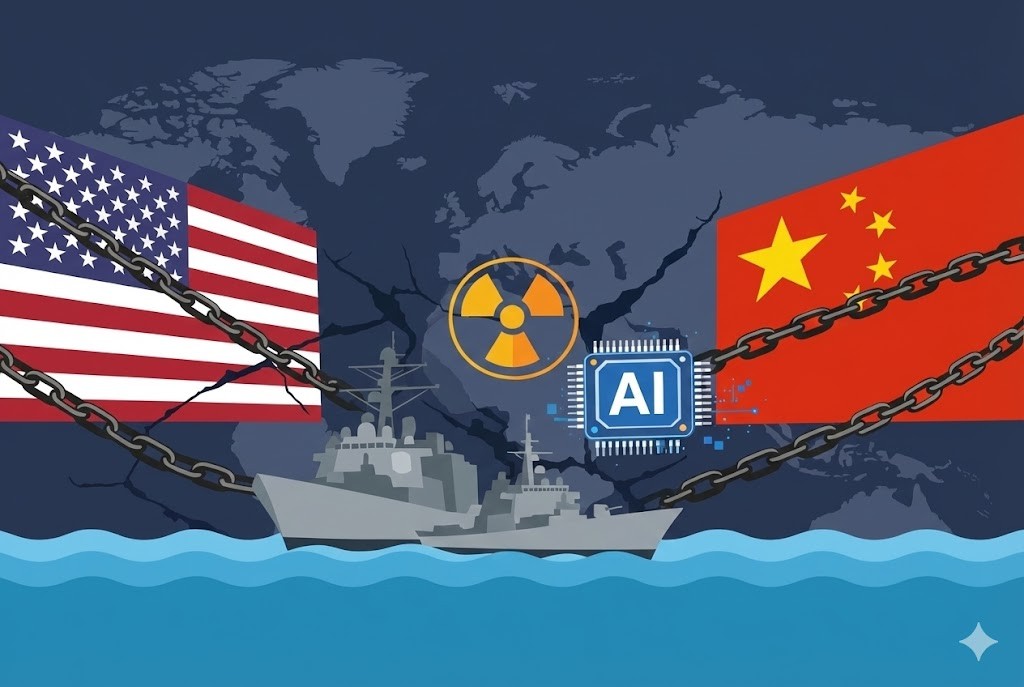
Wag the Dog: How U.S.-China Competition Will be Driven by Domestic Politics in 2026
The Battle for Maritime Dominance: U.S.-China Contestation in the First Island Chain and Western Pacific
China Goes Nuclear: What China’s Nuclear Expansion Means for U.S.-China Strategic Balance
Japan Facing America’s Uncertain Commitment and Chinese Pressure: Korea-Japan Relations and the Pursuit of Multilateral Cooperation
Stormy Seas: The Upheaval of Maritime Security Order in the Indo-Pacific
A World of Coalitions: The Rise of Minilateralism and Multi-Layered Alliances
Europe Re-arms: Strategic Autonomy in an Age of American Retrenchment
Tariff War 2.0: U.S.-China Trade Negotiations in the Era of Uncertainty
The AI War: A New Front in the U.S.-China AI Rivalry
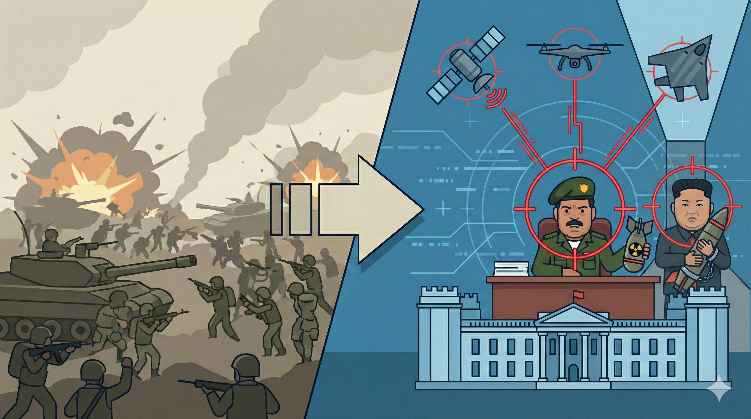
North Korea Parts Ways with South Korea: The Imagined Multipolar Order After the 9th Party Congress
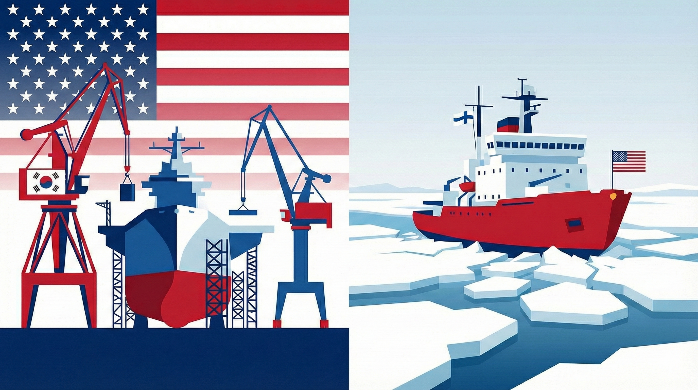
“The Rationale Behind Trump's Golden Fleet and Waiver for Finland: What It Means for MASGA”
[Global NK Commentary] Trump's Golden Fleet Initiative, MASGA, and the ICE Pact
Inhwan Oh, Senior Research Fellow at EAI (Lecturer at Seoul National University), interprets Trump's Golden Fleet initiative and presidential waiver for Finland as part of the U.S.'s strategic realignment to reinforce its maritime dominance. The author compares the ‘ICE Pact’, with South Korea's ‘MASGA’ initiative, suggesting that South Korea should be keen on America's strategic needs in responding to the maritime power transition and build political trust to overcome legal and practical challenges in the long-term.