EAI는 아시아 지역의 민주적 거버넌스와 인권 증진에 관련된 연구를 진행하기 위해 2013년 11월 아시아민주주의연구네트워크(Asia Democracy Research Network: ADRN)를 발족했다. EAI는 국내 싱크탱크의 대표기관인 동시에 아시아 지역 싱크탱크의 직능대표로서 소속된 연구기관들의 민주주의 관련 연구지원 및 관리를 담당하고 있다.

ADRN은 아시아 지역이 직면한 민주주의 위협 요인을 분석하고 민주주의 전환 및 공고화에 기여할 수 있는 실무형 연구과제를 논의하고 확산하고자 창립되었다. ADRN은 연구에 기반한 정책 제시를 목표로 아시아 민주주의의 위협 요소와 당면과제를 점검하고 지역적 차원에서 바라보는 민주주의 발전을 위한 실천적 의제를 발굴하고 연구하고 있다. 네트워크에는 한국의 EAI를 비롯하여 대만, 말레이시아, 몽골, 미얀마, 방글라데시, 스리랑카, 인도, 인도네시아, 일본, 태국, 파키스탄, 필리핀 등 아시아 14개국 22개의 주요 싱크탱크들이 참여하고 있다. 

논평이슈브리핑
[ADRN Issue Briefing] The Political Consequences of Sri Lanka’s Economic Breakdown: Where Next?

The State of the Economic and Political Crisis So Far   The momentous year of 2022 for Sri Lanka can be divided into two major phases. In the first phase, people grew frustrated with the failure of their government led by President Gotabaya Rajapaksa, to solve the country’s economic crisis. The most immediate cause for its economic collapse was because Sri Lanka had been locked out of borrowing from international capital markets in 2020 with the onset of the Covid-19 pandemic, which prevented the country from rolling over its accumulated sovereign debt. Over time, this led to the depletion of its foreign exchange reserves. The Rajapaksa Government’s unwillingness to prioritize imports meant that people began suffering severe shortages of essential goods, including fuel.   The resulting disruption to people’s lives led to punctuated rounds of protest from March 31st onwards. Protestors began gathering more visibly in the seaside location of Galle Face Green, next to the Presidential Secretariat, in the commercial capital of Colombo. But they also joined a broader array of demonstrations across the country, including agitations that erupted in Southern Sri Lanka, the heart of the Rajapaksa family’s power base. The Government tried to suppress, or otherwise deflect, the protest movement, including appointing ostensible opposition parliamentarian Ranil Wickremesinghe as Prime Minister in May. But Rajapaksa himself was eventually ejected in a stunning popular uprising on July 9th.   The second phase of the crisis and the political response that emerged, was the subsequent attempt by the government of Ranil Wickremesinghe to dismantle the people’s movement (or aragalaya in Sinhala and porattam in Tamil, meaning “struggle”), by arresting key student leaders under the draconian Prevention of Terrorism Act (PTA). In the interim period between July 9th and July 20th, when Wickremesinghe was elected president through a delegitimized parliament, he managed to quickly secure the backing of key elements of the country’s establishment, in addition to the repressive apparatus of the state, notably the police and military. Wickremesinghe, however, lacks a social base. Instead, he has portrayed his government as the instrument fundamental in achieving an elusive bailout agreement with the International Monetary Fund (IMF). This is supposedly necessary to resolve Sri Lanka’s debt crisis, if not the ongoing economic depression it has sparked. Along the way, Wickremesinghe has managed to dampen the protest movement while co-opting elements within the opposition.   Nevertheless, the economic crisis in Sri Lanka is far from over. The electricity blackouts and queues for petrol were the most visible signs of the breakdown earlier this year. Although these goods technically can now be purchased, their prices have skyrocketed. In September alone, inflation rose by roughly 70%, while food inflation, which affects poorer people even more, jumped by over 90% year over year. The result is that many Sri Lankans are experiencing food insecurity, including more than a quarter of the population according to estimates by the United Nations’ Food and Agriculture Organization (FAO). For now, the massive protests that occurred earlier this year have yet to repeat. Meanwhile, the working people and increasingly impoverished sections of the middle class continue to grapple with the question of finding a sustainable political and economic solution.   The Establishment’s Austerity Measures and People’s Suffering   Within Sri Lanka’s political and economic establishment, the debate about the Wickremesinghe-Rajapaksa Government is reflected in a relatively narrow range of thinking. The narrative that the previous government was responsible for the crisis because of its monetary printing has become an entrenched part of mainstream analysis of the problem. This argument was used to justify the massive interest rate shock, when the Central Bank more than doubled interest rates, and the rupee devaluation in April, which has now effectively cut people’s incomes by about half. The claim that the Rajapaksa Government tried to implement an untested heterodox policy and was therefore ineffective, is problematic. Rather, its primary fault is that it failed to prioritize imports, choosing instead to continue the free trade agenda, which contributed to the manufactured scarcity of foreign exchange. Worse, the Rajapaksa Government even undermined domestic food production through a catastrophic ban on chemical fertilizers in 2021, though this measure was eventually rescinded after farmers mounted protests.   Sri Lanka’s economy was further wrecked by the premature decision to default on April 12th. Already, the establishment has become nervous about criticism over this decision. The Central Bank Governor, for example, has derided “conspiracy theories.” [1] The vision of the economy that a predominant section of the elites is trying to push not only involves implementing the IMF’s recommendations, including raising energy prices. It also represents a far deeper structural transformation of the economy that could intensify the ongoing social devastation. Already in its recently announced Budget for 2023, the Wickremesinghe-Rajapaksa Government has pushed back against the discourse of subsidies to ease working people’s pain, especially through the possibility of a food subsidy. Instead, Wickremesinghe has proposed the establishment of new economic zones that will supposedly attract private investment. But the underlying story of the economic breakdown in Sri Lanka is the booming cost of goods and the sharp repression of working people’s incomes, resulting in people’s purchasing power being drastically reduced.   The government’s implicit strategy for revived accumulation is predicated on further wage repression during an economic crisis in Sri Lanka that finds its nearest parallel with the Great Depression of the 1930s. But more than this entrenched bias in the establishment’s thinking, is the dawning realization that there is no international fix for Sri Lanka’s problems. After announcing a preliminary Staff Level Agreement in September, the IMF informed Sri Lanka’s government that it must first negotiate with bilateral and private creditors before it can access funding. This may prove difficult to navigate, since Sri Lanka is considered part of the geopolitical struggle between China and the United States, including the latter’s regional allies. In addition, earlier expectations that Sri Lanka could eventually regain access to international capital markets to roll over its sovereign debt once it had received the IMF stamp of approval, have been tempered by reality. The country’s entire development path since the late 1970s, when economic liberalization was first initiated, has been overturned. Sri Lanka is now seeking to downgrade its status to a lower income country to access concessional financing, in addition to coordinating humanitarian aid through multilateral institutions.   Given the lack of a social base and the ongoing economic devastation that is wreaking havoc on people’s lives, it is unclear how the Wickremesinghe-Rajapaksa Government will navigate the dangerous gauntlet between the immediate suffering people are experiencing and long-term visions for reviving accumulation. The government has presented a rough timeline that predicts Sri Lanka will have achieved a primary budget surplus by 2025. Even these projections, however, are seen as extraordinarily optimistic. Meanwhile, in the absence of economic relief for the people, it is unclear what type of popular legitimacy, if any, the current government will be able to sustain.   The tremendous efforts of the people’s movement challenging the decades-long Rajapaksa political project of authoritarian populism, led to the ousting of President Gotabaya Rajapaksa. However, it has yet to result in the necessary institutional transformation, especially the abolition of the widely hated Executive Presidency. People’s frustrations with the current Government are far from abating. The question of how this opposition is articulated will depend on an extremely uncertain conjunction of political forces, including the possibility that nationalist and xenophobic demagogues will be able to capitalize on people’s frustration. Meanwhile, without economic relief within a clear, long-term plan to overcome the causes that led to Sri Lanka’s crisis—including its severe dependency on financial markets— the Wickremesinghe-Rajapaksa Government will find it considerably difficult to govern. Instead, Sri Lanka could even lapse into an anarchic state, with the ongoing dangers of crime and social breakdown overwhelming the tenuous structures of solidarity that were built by the protest movements.   The country does not have to look deep into its past to observe the possible consequences. This includes the uneven effects of economic liberalization that combined with Sinhala nationalism to produce a devastating insurrection by a rebellious youth movement, the Janatha Vimukthi Peramuna (JVP), in the South during the late 1980s. Given the long downturn within the contemporary global economy, the dangerous limitations of the Wickremesinghe-Rajapaksa Government could be compounded in the absence of concrete alternatives to remedy the crisis through active and far-reaching mobilization of the polity. The latter solution fundamentally depends on the type of political legitimacy that, quite simply, the Wickremesinghe-Rajapaksa Government lacks.   People-Centred Reforms to Democratise the Economy Need to be Introduced   On a deeper level, the neoliberal economic model that was previously driven by financial speculation and modest export growth, has experienced a stunning breakdown. But the search for alternatives is nevertheless constrained by the persistent emphasis within its establishment that Sri Lanka has no other choice than to implement more austerity for its citizens. For the millions of people who are experiencing an economic hard landing, this is not acceptable. To break out of this framework, there must be a reckoning with the real causes of the foreign exchange crisis, specifically Sri Lanka’s overwhelming dependence on imports since its economic liberalization began in the late 1970s.   While the process of liberalization was initially hailed in terms of the “opening” of the economy, the reality is that external investment was restricted to narrow industries, such as garments, in which workers’ wages could be repressed. In addition, there was growing speculation in urban real estate, which was flooded by commercial borrowings in the international capital markets in the aftermath of Sri Lanka’s civil war, which ended in 2009. While the Government led by Gotabaya’s elder brother, Mahinda Rajapaksa (2005-2015), may have been corrupt and spent incredible sums on vanity projects, the reality is that, at its core, the neoliberal economy contained inescapable contradictions. The current crisis is the inevitable consequence of decades of liberalization policies that accelerated in Sri Lanka’s post-war years because of deepening financialization.   The desire, then, to imagine a more successful Sri Lanka in which it undertakes modest political reforms without touching the basic structure of its liberalized economy, is an exercise in futility. Within the establishment, some with greater foresight argue that the government must commit itself to abolishing the Executive Presidency, which has been the bane of the country’s existence since the position was created in 1978 to impose neoliberal reforms. But it is the deeper failure to imagine an economic alternative to austerity, which now enables Ranil Wickremesinghe to exercise the full powers of state repression to suppress both dissenting and popular responses to the economic crisis in general. This situation is untenable. The question of how it will finally be resolved, however, remains up in the air.   For those committed to an egalitarian resolution of the crisis, the question must be asked, now more than ever, on what it would mean to transform Sri Lanka’s economy to reduce imports and increase local production, even while the country grapples with the longer-term question of debt? This question is part of a regional and global story. Sri Lanka, as many have recognized, is in many ways a forerunner of a new wave of debt crisis in developing countries. [2] Yet the country should not be viewed simply as a comparative example of the best way to conduct an IMF-led bailout. Instead, the people’s movement that erupted onto the scene this year offers deeper resources for the critical imagination, which could catalyze an urgent reckoning over the broader relationship between state and society and how to democratize it.   The image of protestors jumping into the swimming pool in the President’s house sparked global interest in Sri Lanka’s people’s movement and its ability to reclaim public space. It will be a far more challenging exercise to transform the foundations of an economy that has clearly gone off the rails. Only by taking on these problems directly, via people-centered approaches for reforming and democratizing the economy, will there be any hope that the movement does not simply end in the failure, typical of too many other past examples of stalled, if not failed, revolts. To avert a food crisis that could even become a famine, alternative economic measures could include, for example, an extension of a food subsidy, such as the rice subsidy that prevailed before it was dismantled in the post-1970s reform period. There needs to be more support for the country’s agricultural production along with a public distribution system, which could draw from and rebuild the historically vibrant cooperative system.   Meanwhile, the political outlook over the next two years remains unpredictable. While Wickremesinghe has ambitions of completing the term of the presidency that comes to an end in late 2024, he is bound to face many challenges. In February 2023, he will be allowed by the constitution to dissolve the parliament, paving the way for elections. This will support the parliament to regain its legitimacy. But given his dependence on a Rajapaksa-backed majority in parliament for his survival, he is unlikely to opt for dissolution. In turn, this could lead to unrest among sections of the political class and the wider citizenry. Indeed, as the rural populace suffocates because of disruptions to their livelihoods, there may be further mounting waves of protests, perhaps this time from the rural and urban periphery.   As such, despite the rhetoric of some politicians and establishment actors, the reality is that the political moment opened by this year’s remarkable protests has yet to conclude, even while many continue to experience pain and deprivation under the lack of economic relief. Despite the persistence of a bleak economic horizon, what type of popular response it will trigger remains an open-ended question; one to which the current Wickremesinghe-Rajapaksa Government lacks an answer. ■   References Sunday Observer. “Driving Policy Action in Sri Lanka.” November 5, 2022. https://www.sundayobserver.lk/2022/11/06/business/driving-policy-action-sri-lanka. Financial Times. “Sri Lanka’s Woes are a Warning to Other Developing Nations.” July 13, 2022. https://www.ft.com/content/08c6d823-9d2b-4e63-b5b9-d343121f7648     [1] Sunday Observer. “Driving Policy Action in Sri Lanka.” November 5, 2022. [2] Financial Times. “Sri Lanka’s Woes are a Warning to Other Developing Nations.” July 13, 2022.     ■ Ahilan Kadirgamar is a Political Economist and Senior Lecturer at the University of Jaffna, Sri Lanka. ■ Devaka Gunawardena is an independent researcher and Political Economist with a PhD from UCLA.     ■  담당 및 편집:  백진경 , EAI 선임연구원     For inquiries: 02 2277 1683 (ext. 209) | [email protected]  

Ahilan Kadirgamar 2022-12-15조회 : 8215
논평이슈브리핑
[ADRN Issue Briefing] Sustaining Democratic Unity for Ukraine’s Victory and South Korea’s Roles in This

Russian troops are retreating. As of Friday, November 11, 2022, Kherson has returned to Ukrainians, which marked the most significant victory for Kyiv and the biggest disappointment for Moscow since the outbreak of war in February. This will be marked as an important milestone of the Russia-Ukraine war, considering that Presdient Putin declared residents of Kherson would be Russians “forever” following the September referendum[1] . Although it is still early to predict when and how the war will end, it is time to think about what the world’s like-minded liberal countries need to do after supporting Ukrainians in successfully defending their country from Russia’s aggression. This issue briefing discusses why the Russia-Ukraine war matters, what will happen next in Ukraine, what we know about the war crimes committed by Russian troops, and the measures needed to be taken after the war.   1. A Good Victory is needed in Ukraine   In this war, a lot has been at stake for democratic countries. US President Biden repeatedly claimed that this is a “battle between democracy and autocracy,” “between liberty and repression,” and about “the very culture and identity.” [2] German Chancellor Scholz defined the war as a “crusade against liberal democracy, a crusade against the rules-based international order, a crusade against freedom and progress, a crusade against our way of life.” [3] This is because Putin claimed that “Russia’s values were superior and diametrically opposed to Western decadence[4] ,” which was echoed by other high officials in Moscow, arguing that democracies cannot defend themselves in times of great tension[5] .   It is not simply rhetoric. Unlike its pivotal role played during the Korean War in 1950 and the Gulf War in 1990, the United Nations (UN) revealed its significant limitations and incompetence in delivering collective security when it comes to fighting against the aggression of a veto player in the UN Security Council with credible nuclear capabilities. The failure to adopt the Security Council resolution condemning Russian attempts to unlawfully annex four regions of Ukraine on September 30 was a déjà vu of what happened in the League of Nations after the Manchurian Crisis in 1931 and the Abyssinian Crisis in 1935. Moscow’s blatant violation of UN Charter Article 2 (4) is “a threat to the foundational principle that underpins the modern legal order. [6] ”   Such a failure emboldened other authoritarian regimes in East Asia. North Korea has been test-firing more than 50 ballistic missiles, including Intercontinental Ballistic Missiles (ICBM), adopting a new policy on Nuclear Forces in September, stipulating conditions for using nuclear weapons against non-nuclear powers like Seoul and Tokyo[7] . China also has proclaimed its clear intention to use force if necessary and demonstrated its military might and willpower by repeatedly launching missiles and conducting military exercises encircling Taiwan after US House of Representatives Speaker Pelosi’s visit to Taipei last August. [8] This showed how US security guarantees connect the two different theaters of Europe and the Indo-Pacific and how a deterrence failure in the former leads to regional instability in the latter. Thomas Schelling’s theory of “interdependence of commitments” across time and space appears to prove its relevance in today’s world. [9]   Accordingly, this is not simply a war of territory but a war of value, about restoring the functioning of global governance, and has substantial strategic implications in multiple regions around the world. In this regard, the democratic countries need a good victory in Ukraine.   Recent developments in the war show that it is more likely we will have one. Ukraine’s counteroffensives in the south near Kherson and the east near Kharkiv have been remarkably successful. The retaking of Kherson only proves how capable Ukrainian forces are compared to their adversary’s. This major victory is thanks to the high morale of Ukrainian troops defending their homes and families, Kyiv’s smart move of deception, long-range precision strikes destroying Russian command posts and supply depots, and Western support of important weapons such as Javelin Anti-Tank Guided Missiles (ATGM) and High Mobility Artillery Rocket System (HIMARS). [10] Pentagon Press Secretary Brigadier General Pat Ryder explained that the victory was a surprise only to Moscow. [11] “Ukrainian military adopted the NATO battle tactics, embracing combined arms as a way of war” and outmaneuvered the older Russian army with its Soviet-era tactics. As the former Minister of Defense of Ukraine claimed, “Ukraine can win big.” [12]   This wise military strategy and relentlessly high-spirited morale of Ukraine is based on its people’s resolve to defend their democracy and the unity of the international community in supporting such determination. Also, somewhat ironically, the Russian aggression against Ukraine has achieved what Moscow wanted the least: the unity of the democratic world. As US Indo-Pacific Policy Coordinator Kurt Campbell said, even Washington has been “struck by […] the level of engagement on Indo-Pacific countries around issues associated with Ukraine.” [13] Ukraine’s victory, possibly a big one, will be the triumph of democracy and the liberal way of life.   2. The Case of Genocide: Defining the Russian Atrocities during the War   Ukraine’s major military success reminds us of the need to start thinking of post-war measures. Considering what has been at stake in this war, we should prepare action plans that hold Russian soldiers responsible for the atrocities they have committed during the war. One of the contentious issues among Russian crimes against humanity is genocide.   For the legal accusation of Russia for its war crimes, the International Court of Justice (ICJ) should hold jurisdiction over the case. However, neither Ukraine nor Russia has declared to accept the ICJ’s compulsory jurisdiction. [14] The only way the ICJ can intervene and investigate the case is when it is related to the issue of genocide, as both Russia and Ukraine are States Parties of the 1948 Convention on the Prevention and Punishment of the Crime of Genocide. [15] This is why Ukraine filed an application to the ICJ by arguing that Putin is making a false claim and using the genocide convention to justify its aggression against Ukraine. [16] Before the war, Putin explained that “acts of genocide have occurred in the Luhansk and Donetsk oblasts of Ukraine” against Russian speakers, which required the immediate implementation of a “special military operation.” In the application, Kyiv emphasized it was Moscow that had committed acts of genocide by “intentionally killing and inflicting serious injury on members of the Ukrainian nationality.” Defining atrocities committed by Russian troops is a critical issue in this regard.   The official definition of genocide includes two elements[17] . First, the ‘mental’ element indicates “the intent to destroy, in whole or in part, a national, ethnical, racial or religious group, as such.” Second, the ‘physical’ elements involve five acts, enumerated exhaustively: killing members of the group, causing serious bodily or mental harm to members of the group, deliberately inflicting on the group conditions of life calculated to bring about its physical destruction in whole or in part, imposing measures intended to prevent births within the group, and forcibly transferring children of the group to another group. The most challenging part in the legal case of genocide is to determine whether there was an intent to destroy a particular group. [18] It has nothing to do with how many have been killed.   According to the testimony of Ukrainian participants at the Asia Democracy Research Network (ADRN)’s special roundtable discussion on November 2, Russian troops have been targeting civilians. [19] First, they attacked cities and destroyed critical infrastructure for heating, gas, electricity, and water supply to break the will of the Ukrainian people to continue to fight. The participants argue that it is a Russian strategy to get civilians to die from cold and hunger during the winter. Second, Ukrainian children in the area occupied by Russia are forced to study the Russian language and its version of history. Teachers who are not teaching Russian are persecuted. Numerous cases of kidnapping children and murdering parents are reported, with the Ukrainian children adopted by Russian families. Third, Russian soldiers have been killing young women after raping them. Mass graves and burial sites were found in Bucha, Hostomel, and Izium, and exhumed bodies had signs of torture.   Their assertions are confirmed by numerous reports from journalists and diverse international investigation groups such as Amnesty International and the Atrocity Crimes Advisory Group. [20] Russian forces have been executing and torturing Ukrainian civilians in occupied areas, committing sexual violence, deliberately attacking shelters, evacuation routes, and humanitarian corridors, sieging Ukrainian cities, indiscriminately bombing residential areas, and forcefully deporting Ukrainians to Russia. Ambassador Clint Williamson, the Lead Advisor to the Atrocity Crimes Advisory Group, said what has been committed by Russian forces is “almost unimaginable” and “overwhelming.” [21] He said the investigators had found 33,000 cases of war crimes.   Finding evidence of Russian war crimes would not be difficult. The challenging part is how to prove that they constitute genocide. As mentioned earlier, it is crucial to meet the condition of “intent to destroy” towards a national, ethnic, racial, or religious group to be identified as the crime of genocide. To prove that Russia has been committing genocide, we need evidence of “a general plan, documents or policy statements” or “a systematic pattern of atrocities that are taking place” that can be inferred as genocide cases. [22] The former would be hard to find, while the latter would be disputable.   Even if we make a convincing argument, punishing offenders would still be hard unless they are arrested and put on trial in the Ukrainian court. Even though the ICJ’s judgments are final and binding and those parties in dispute have no option for appeal, Russia can simply ignore them. [23] This is because Kyiv has to bring the matter to the UN Security Council if Moscow does not follow the ICJ’s ruling, yet Russia possesses veto power. Although the judgment should have political implications, punishing the offenders, including Putin, is very difficult.   Alternatively, democratic countries could work together to create a new International Tribunal to give the International Criminal Court (ICC) jurisdiction over Russia’s crime of aggression against Ukraine. This would be a more fundamental approach as crimes against humanity, war crimes, and genocide would not occur if there were no illegal aggression against Ukraine from the first place. Numerous individual and organizational calls for creating a new International Tribunal have already been made, so it is one way to go along with the efforts to prove Russian war crimes as genocide. [24] A special tribunal could be established by the agreement of the UN and Ukraine via the UN General Assembly.   3. Potential Democratic Unity Roles for South Korea   What role should South Korea play in this united attempt of like-minded countries to fight for Ukraine? After Putin publicly accused South Korea of supplying weapons and ammunition to Ukraine on October 28, South Korean President Yoon Suk-yeol told reporters the following day that South Korea only has been “providing humanitarian and peaceful support” and not “any lethal weapons.” However, he added, “this is a matter of our sovereignty.” [25]   Officially, South Korea has been sending non-weapon supplies to Ukraine, such as bulletproof vests, helmets, tents, blankets, and medical supplies. ROK Ministry of Foreign Affairs announced that Seoul had provided US $100 million worth of humanitarian assistance. [26] The South Korean government also donated US $1 million to UNICEF to assist Ukraine refugees and US $ 2 million for maternal and newborn health services in Ukraine. [27] But the support is limited to humanitarian aid. This is why Ukrainian President Volodymyr Zelenskyy appealed to South Korea’s National Assembly in April to assist them in standing up against Russia.   Although Seoul’s move is based on a strategic calculation considering future relations with Russia, the South Korean government should bear in mind the following. First of all, we are dealing with measures taken after deterrence failure. Before the war, US President Joe Biden strongly warned Putin that Washington would impose “swift and severe costs” on Moscow should Russia invade Ukraine. [28] As French Foreign Minister Pierre-Étienne Flandin argued after Nazi Germany’s remilitarization of the Rhineland in 1936, it is crucial to inflict a failure on the leader of a revisionist power like Adolf Hitler when deterrence fails. [29] As mentioned earlier, security commitments are interdependent. If we fail to restore the credibility of deterrence in Europe, it could encourage authoritarian regimes further to challenge the status quo in the Taiwan Strait and on the Korean Peninsula.   Furthermore, we need to think about what it means to seek the status of a Global Pivotal State. [30] Victor Cha, D.S. Song-KF Professor of Government at Georgetown University, argued that “how far South Korea is willing to go on these global issues in a way that can hurt their equities with China and Russia” is one way to measure whether South Korea is ready to play a larger role beyond North Korea issues. [31] It is because being a global player many times mean “accepting short-term costs in terms of self-interest to pursue longer-term games in support of the liberal international order.” Given that Washington has been seeking to establish a global security framework connecting its European and Indo-Pacific allies with the new strategic concept of “integrated deterrence,” Seoul should consider measures to demonstrate its stance. [32] In this regard, the United States asks European allies whether they are ready to support the fight in Taiwan Strait while asking Asian allies whether they are willing to go the extra mile for Ukraine. If South Korea does not want to go to greater lengths in both areas, it would hardly be recognized as a global pivotal power by the international community.   Supporting Ukraine’s war efforts by selling artillery shells and ammunition to third countries assisting Kyiv would be one way to consider. [33] However, if providing indirect military assistance to Ukraine is still too burdensome for Seoul, it should consider ways to extend support to Ukrainian efforts to fight against Russia on other fronts.   First, South Korea should now consider ways, possibly in close cooperation with the United States and Japan, to sanction Russian companies violating United Nations Security Council resolutions and relevant sanctions against Pyongyang. After the war broke out in February, Pyongyang supported Moscow whenever the occasion arose, from diplomatically supporting Russia in the UN, [34] to sending workers to Donetsk and Luhansk[35] and to selling artillery shells.[36] In response to Pyongyang’s unprecedented number of missile launches and possible nuclear tests in the near future, Washington, Seoul, and Tokyo agreed to “coordinate sanctions and work together to close gaps in the international sanctions regime to ensure all relevant sanctions are fully enforced.”[37] In this regard, the South Korean government will be able to include those Russian agencies strengthening ties with North Korea in the sanctions list. This would not only support Ukraine to have relatively more strategic endurance than Russia but also enhance the effectiveness of economic sanctions against Pyongyang.   Second, as winter is coming, Seoul should extend its humanitarian aid to Kyiv. Russia has been purposely targeting key infrastructure pertaining to the provision of heat and electricity, and Ukraine is not ready for the harsh weather. South Korea should join the efforts of the international community to provide winterization-specific humanitarian assistance such as generators, warm clothing, and thermal blankets[38] .   Third, Seoul can support Kyiv’s efforts to win the legal fight. Considering the complexities with regard to proving war crimes as genocide, empowering Ukrainians to find evidence for holding Russia accountable is crucial. Seoul can examine ways to cooperate with other like-minded countries to provide technical assistance to civil society groups in Ukraine to gather evidence and investigate crime cases systematically[39] . Supporting Kyiv at the UN General Assembly for creating a new tribunal is another critical area where South Korea could help Ukrainians. ■   References   Adetunji, Jo. 2022. “Ukraine’s rapid advance against Russia shows mastery of 3 essential skills for success in modern warfare.” The Conversation, September 16, 2022. https://theconversation.com/ukraines-rapid-advance-against-russia-shows-mastery-of-3-essential-skills-for-success-in-modern-warfare-190704.   Baldor, Lolita and Copp, Tara. 2022. “US to buy South Korean howitzer rounds to send to Ukraine”. AP News, November 11, 2022. https://apnews.com/article/russia-ukraine-europe-business-south-korea-government-and-politics-15569a7bfdb6c53404cfce5f0df1c28f.   Campbell, Kurt. 2022. “CSDS-CSIS Transatlantic Dialogue on the Indo-Pacific.” Center for Strategic and International Studies, (accessed November 21, 2022; https://www.csis.org/events/csds-csis-transatlantic-dialogue-indo-pacific).   Cha, Victor. 2022. “글로벌 중추국가 한국의 인도-태평양 전략은(What is South Korea’s Indo-Pacific Strategy as a Global Pivotal State)?" <보이는 논평(Video Commentary) >. East Asia Institute (accessed: November 12, 2022; https://www.eai.or.kr/new/ko/pub/view.asp?intSeq=21482&board=kor_multimedia&keyword_option=&keyword=&more=).   Hathaway, Oona. 2022. “The Case for Creating an International Tribunal to Prosecute the Crime of Aggression Against Ukraine (Part I).” Just Security, September 20, 2022. https://www.justsecurity.org/83117/the-case-for-creating-an-international-tribunal-to-prosecute-the-crime-of-aggression-against-ukraine/.   Hopko, Hanna, Kaleniuk, Daria, and Tregub, Olena. 2022. “Russian Military Aggression in Ukraine and the Vision of Victory in the War.” Asia Democracy Research Network, November 2, 2022. http://www.adrnresearch.org/board/event.php?cid=1&sp=%26sp%5B%5D%3D1%26sp%5B%5D%3D2%26sp%5B%5D%3D3&pn=1&st=&acode=Engagements&code=&at=view&idx=285 .   Gallo, William. 2022. ”With Pelosi Gone, China Circles Taiwan with Missiles.” Voice of America, August 4 2022. https://www.voanews.com/a/with-pelosi-gone-china-intensifies-military-drills-around-taiwan-/6686472.html.   Glantz, Mary. 2022. “How Ukraine’s Counteroffensives Managed to Break the War’s Stalemate.” United States Institute of Peace, September 19. https://www.usip.org/publications/2022/09/how-ukraines-counteroffensives-managed-break-wars-stalemate.   Gordon, Michael, Pancevski, Bojan, Bisserbe, Noemie, and Walker, Marcus. 2022. “Vladimir Putin’s 20-Year March to War in Ukraine—and How the West Mishandled It.” Wall Street Journal, April 1, 2022. https://www.wsj.com/articles/vladimir-putins-20-year-march-to-war-in-ukraineand-how-the-west-mishandled-it-11648826461.   International Court of Justice. 2022. “Ukraine institutes proceedings against the Russian Federation and requests the Court to indicate provisional measures.” Feburary 27, 2022. https://www.icj-cij.org/public/files/case-related/182/182-20220227-PRE-01-00-EN.pdf.   Johnson, Danielle. 2022. “Russia must be held accountable for committing genocide in Ukraine.” Atlantic Council, August 31 2022. https://www.atlanticcouncil.org/blogs/ukrainealert/russia-must-be-held-accountable-for-committing-genocide-in-ukraine/.   Kolganova, Victoria. 2022. “В МИД РФ заявили, что у ДНР и ЛНР нет препятствий для сотрудничества с КНДР, поскольку республики — не члены ООН.” Kommersant, August 8, 2022. https://www.kommersant.ru/doc/5514964.   Kim, Yang-gyu. 2019. “After Deterrence: Policy Choices during Crises of Conventional and Nuclear Direct Deterrence Failure.” FIU Electronic Theses and Dissertations. 4388. https://digitalcommons.fiu.edu/etd/4338   Kim, Yang-gyu. 2022. “President Yoon's Trip to Madrid: Rethinking Seoul's Policies toward Moscow, Beijing, Tokyo, and Pyongyang.” East Asia Institute (accessed November 21, 2022). https://www.globalnk.org/commentary/view?cd=COM000088.   Korea Central News Agency of DPRK. 2022. “Law on DPRK's Policy on Nuclear Forces Promulgated.” September 9, 2022. https://www.kcna.kp/en/article/q/5f0e629e6d35b7e3154b4226597df4b8.kcmsf.   Liptak, Kevin. 2022. “Biden predicts Russia ‘will move in’ to Ukraine, but says ‘minor incursion’ may prompt discussion over consequences.”CNN, Janurary 19, 2022. https://edition.cnn.com/2022/01/19/politics/russia-ukraine-joe-biden-news-conference/index.html.   Macaes, Bruno. 2022. “Russia cannot afford to lose, so we need a kind of a victory: Sergey Karaganov on what Putin wants.” The New Statesman, April 2, 2022. https://www.newstatesman.com/world/europe/ukraine/2022/04/russia-cannot-afford-to-lose-so-we-need-a-kind-of-a-victory-sergey-karaganov-on-what-putin-wants.   Ministry of Foreign Affairs, Republic of Korea. 2022. “Korea to Provide Additional Humanitarian Assistance to Ukraine.” July 21, 2022. https://www.mofa.go.kr/eng/brd/m_5676/view.do?seq=322061.   Nam, Hyun-woo. 2022. “South Korean president dismisses Putin's warning.” The Korea Times, October 28, 2022. https://www.koreatimes.co.kr/www/nation/2022/10/113_338773.html.   Oltermann, Philip. 2022. “Germany still a ‘teenager’ in leading foreign security policy, says Scholz aide”. The Guardian, Oct 13, 2022. https://www.theguardian.com/world/2022/oct/13/putins-war-on-ukraine-part-of-crusade-against-liberal-democracy-says-scholz   Parker, Claire. 2022. “Russia has incited genocide in Ukraine, independent experts conclude.”The Washington Post, May 27, 2022. https://www.washingtonpost.com/world/2022/05/27/genocide-ukraine-russia-analysis/   Maree, Shannon. 2022. “Ukraine v Russia at the International Court of Justice.”Parliament of Australia, August 5, 2022. https://www.aph.gov.au/About_Parliament/Parliamentary_departments/Parliamentary_Library/FlagPost/2022/August/Ukraine_v_Russia_at_the_International_Court_of_Justice   Reuters. 2022. “Extracts from Putin's speech at annexation.” September 09, 2022. ceremony.”https://www.reuters.com/world/extracts-putins-speech-annexation-ceremony-2022-09-30/   Sen, Ashish Kumar. 2022. “Is Russia Committing Genocide in Ukraine?” United States Institution of Peace, September 21, 2022. https://www.usip.org/publications/2022/09/russia-committing-genocide-ukraine   Smith, Josh. 2022. “Explainer: Russia and North Korea forge closer ties amid shared isolation.” Reuters, November 04, 2022. https://www.reuters.com/world/russia-north-korea-forge-closer-ties-amid-shared-isolation-2022-11-04/   The State Council, The People’s Republic of China. 2022. “China releases white paper on Taiwan Question, reunification in new era.” August 10, 2022. https://english.www.gov.cn/archive/whitepaper/202208/10/content_WS62f34f46c6d02e533532f0ac.html.   The White House. 2022. “Phnom Penh Statement on US – Japan – Republic of Korea Trilateral Partnership for the Indo-Pacific.” November 11, 2022. https://www.whitehouse.gov/briefing-room/statements-releases/2022/11/13/phnom-penh-statement-on-trilateral-partnership-for-the-indo-pacific/ .   The White House. 2022. “Remarks by President Biden on the United Efforts of the Free World to Support the People of Ukraine.” March 26, 2022. https://www.whitehouse.gov/briefing-room/speeches-remarks/2022/03/26/remarks-by-president-biden-on-the-united-efforts-of-the-free-world-to-support-the-people-of-ukraine/   Thomas Schelling. 2020. ”Arms and Influence.” Yale University Press.   UNFPA. 2022. “The Government of Korea allocates US$ 2 million for women and girls in Ukraine and Moldova.” July 18, 2022. https://www.unfpa.org/updates/government-korea-allocates-us-2-million-women-and-girls-ukraine-and-moldova.   UNICEF. 2022. “Republic of Korea donates 1 million USD to UNICEF in support of Ukrainian refugee children and families in Romania.” August 30, 2022. https://www.unicef.org/romania/press-releases/republic-korea-donates-1-million-usd-unicef-support-ukrainian-refugee-children-and.   United Nations Office on Genocide Prevention and the Responsibility to Protect. United Nations (accessed November 21, 2022). https://www.un.org/en/genocideprevention/genocide.shtml.   United Nations. 1948. “Convention on the Prevention and Punishment of the Crime of Genocide.” United Nations Treaty Collection. https://treaties.un.org/Pages/ViewDetails.aspx?src=IND&mtdsg_no=IV-1&chapter=4&clang=_en.   United Nations. 2022. “General Assembly resolution demands end to Russian offensive in Ukraine.” March 2, 2022. https://news.un.org/en/story/2022/03/1113152.   United States Department of Defense. 2021. “Defense Secretary Says 'Integrated Deterrence' Is Cornerstone of U.S. Defense.” April 30, 2021 https://www.defense.gov/News/News-Stories/Article/Article/2592149/defense-secretary-says-integrated-deterrence-is-cornerstone-of-us-defense/.   United States Department of Defense. 2022. “Ukraine's Success Was a Surprise Only to the Russians.” September 13, 2022. https://www.defense.gov/News/News-Stories/Article/Article/3157239/ukraines-success-was-a-surprise-only-to-the-russians/.   United States Department of Defense. 2022. “2022 Nuclear Posture Review.” https://s3.amazonaws.com/uploads.fas.org/2022/10/27113658/2022-Nuclear-Posture-Review.pdf   USAID. 2022. “USAID ANNOUNCES ADDITIONAL $25 MILLION FOR WINTERIZATION ASSISTANCE FOR UKRAINE.” November 8, 2022. https://www.usaid.gov/news-information/press-releases/nov-8-2022-usaid-announces-additional-25-million-winterization-assistance-ukraine.   Yoon, Suk-yeol. 2022. “South Korea needs to step up.” Foreign Affairs, Feburary 8, 2022. https://www.foreignaffairs.com/articles/south-korea/2022-02-08/south-korea-needs-step.   Zagorodnyuk, Andriy. 2022. “Ukraine’s Path to Victory.” Foreign Affairs, October 18, 2022. https://www.foreignaffairs.com/ukraine/ukraines-path-victory.     [1] Reuters. “Extracts from Putin’s speech at annexation ceremony.” September 9, 2022.   [2] The White House. “Remarks by President Biden on the United Efforts of the Free World to Support the People of Ukraine.” March 26, 2022.   [3] Oltermann, Philip. “Germany still a ‘teenager’ in leading foreign security policy, says Scholz aide”. The Guardian, Oct 13, 2022.   [4] Gordon, Michael, Pancevski, Bojan, Bisserbe, Noemie, and Walker, Marcus. 2022. “Vladimir Putin’s 20-Year March to War in Ukraine—and How the West Mishandled It.” Wall Street Journal, April 1.   [5] Macaes, Bruno. “Russia cannot afford to lose, so we need a kind of a victory: Sergey Karaganov on what Putin wants.” The New Statesman, April 2, 2022.   [6] Hathaway, Oona. “The Case for Creating an International Tribunal to Prosecute the Crime of Aggression Against Ukraine (Part I).” Just Security, September 20, 2022.   [7] Korea Central News Agency of DPRK. “Law on DPRK’s Policy on Nuclear Forces Promulgated.” September 9, 2022.   [8] The State Council, The People’s Republic of China. “China releases white paper on Taiwan Question, reunification in new era.” August 10, 2022; Gallo, William. “With Pelosi Gone, China Circles Taiwan with Missiles.” Voice of America, August 4 2022.   [9] Thomas Schelling. Arms and Influence. Greenwood Press, 1976 .   [10] Adetunji, Jo. “Ukraine’s rapid advance against Russia shows mastery of 3 essential skills for success in modern warfare.” The Conversation, September 16, 2022; Glantz, Mary. “How Ukraine’s Counteroffensives Managed to Break the War’s Stalemate.” United States Institute of Peace, September 19.   [11] United States Department of Defense. “Ukraine’s Success Was a Surprise Only to the Russians.” September 13, 2022.   [12] Zagorodnyuk, Andriy. “Ukraine’s Path to Victory.” Foreign Affairs, October 18, 2022. .   [13] Campbell, Kurt. “CSDS-CSIS Transatlantic Dialogue on the Indo-Pacific.” Center for Strategic and International Studies (accessed November 21, 2022).   [14] Hathaway, Oona. 2022. “The Case for Creating an International Tribunal to Prosecute the Crime of Aggression Against Ukraine (Part I).” Just Security, September 20, 2022.   [15] United Nations. “Convention on the Prevention and Punishment of the Crime of Genocide.” United Nations Treaty Collection, 1948.   [16] International Court of Justice. “Ukraine institutes proceedings against the Russian Federation and requests the Court to indicate provisional measures.” Feburary 27, 2022.   [17] United Nations Office on Genocide Prevention and the Responsibility to Protect. United Nations (accessed November 21, 2022).   [18] Sen, Ashish Kumar. “Is Russia Committing Genocide in Ukraine?” United States Institution of Peace, September 21, 2022.   [19] Hopko, Hanna, Kaleniuk, Daria, and Tregub, Olena. “Russian Military Aggression in Ukraine and the Vision of Victory in the War.” Asia Democracy Research Network, November 2, 2022.   [20] Parker, Claire. “Russia has incited genocide in Ukraine, independent experts conclude.”The Washington Post, May 27, 2022.   [21] Sen, Ashish Kumar. “Is Russia Committing Genocide in Ukraine?” United States Institution of Peace, September 21, 2022.   [22] Sen, Ashish Kumar. “Is Russia Committing Genocide in Ukraine?” United States Institution of Peace, September 21, 2022.   [23] Maree, Shannon. “Ukraine v Russia at the International Court of Justice.” Parliament of Australia, August 5, 2022.   [24] Hathaway, Oona. “The Case for Creating an International Tribunal to Prosecute the Crime of Aggression Against Ukraine (Part I).” Just Security, September 20, 2022.   [25] Nam, Hyun-woo. “South Korean president dismisses Putin’s warning.” The Korea Times, October 28, 2022.   [26] Ministry of Foreign Affairs, Republic of Korea. “Korea to Provide Additional Humanitarian Assistance to Ukraine.” July 21, 2022.   [27] UNICEF. 2022. “Republic of Korea donates 1 million USD to UNICEF in support of Ukrainian refugee children and families in Romania.” August 30, 2022; UNFPA. 2022. “The Government of Korea allocates US$ 2 million for women and girls in Ukraine and Moldova.” July 18, 2022.   [28] Liptak, Kevin. “Biden predicts Russia ‘will move in’ to Ukraine, but says ‘minor incursion’ may prompt discussion over consequences.”CNN, Janurary 19, 2022. .   [29] Kim, Yang Gyu. “After Deterrence: Policy Choices during Crises of Conventional and Nuclear Direct Deterrence Failure.” FIU Electronic Theses and Dissertations.   [30] Yoon, Suk-yeol. “South Korea needs to step up.” Foreign Affairs, Feburary 8, 2022.   [31] Cha, Victor. “글로벌 중추국가 한국의 인도-태평양 전략은(What is South Korea’s Indo-Pacific Strategy as a Global Pivotal State)?" <보이는 논평(Video Commentary) >. East Asia Institute (accessed: November 12, 2022)   [32] Kim, Yang Gyu. 2022. “President Yoon’s Trip to Madrid: Rethinking Seoul’s Policies toward Moscow, Beijing, Tokyo, and Pyongyang.” EAI Issue Briefing, East Asia Institute (accessed November 21, 2022); United States Department of Defense. 2021. “Defense Secretary Says ‘Integrated Deterrence’ Is Cornerstone of U.S. Defense.” April 30, 2021; The White House. 2022. National Security Strategy, October 12, 2022.   [33] Baldor, Lolita and Copp, Tara. “US to buy South Korean howitzer rounds to send to Ukraine”. AP News, November 11, 2022.   [34] United Nations. “General Assembly resolution demands end to Russian offensive in Ukraine.” March 2, 2022.   [35] Kolganova, Victoria. 2022. “В МИД РФ заявили, что у ДНР и ЛНР нет препятствий для сотрудничества с КНДР, поскольку республики — не члены ООН.” Kommersant, August 8, 2022.   [36] Smith, Josh. “Explainer: Russia and North Korea forge closer ties amid shared isolation.” Reuters, November 04, 2022.   [37] The White House. “Phnom Penh Statement on US – Japan – Republic of Korea Trilateral Partnership for the Indo-Pacific.” November 11, 2022.   [38] USAID. “USAID Announces Additional $25 Million for Winterization Assistance for Ukraine.” November 8, 2022   [39] Johnson, Danielle. “Russia must be held accountable for committing genocide in Ukraine.” Atlantic Council, August 31 2022.     ■ Yang Gyu Kim is the Executive Director (Principal Researcher) at the East Asia Institute and a Lecturer in the Department of Political Science and International Relations at Seoul National University. He holds a Ph.D. in International Relations from Florida International University (2019) and received his Master’s (2014) and Bachelor’s degrees (2008) in International Relations from Seoul National University. Kim was a Visiting Scholar at the Arnold A. Saltzman Institute of War and Peace Studies at Columbia University and an Adjunct Professor at Florida International University. His research focuses on international security, including coercive diplomacy, nuclear weapons strategy, power transition, U.S.-China relations, and North Korea.     ■  담당 및 편집:  백진경 ,EAI 선임연구원     문의: 02 2277 1683 (ext. 209) | [email protected]  

Yang Gyu Kim 2022-11-29조회 : 24929
논평이슈브리핑
[ADRN Issue Briefing] Russia’s Partial Mobilization: Issues Pertaining Russian Migrants in Mongolia

Introduction   On September 21, 2022, Vladimir Putin, President of the Russian Federation signed a decree enacting the announcement of partial mobilization in the country. The Kremlin took into account its citizens’ potential evasion from partial mobilization, leading to the State Duma of the Russian Federation amend the Criminal Code the day before the signing of the decree. The amendment added articles outlining severe punishment for voluntary surrender, desertion from the military service and conscription, and criminal liability of up to 15 years in prison for looting during wartime.   However, these amendments to the Criminal Code became the basis for mass exodus of military-aged men fleeing the country. As such, these citizens are forced to seek asylum in the countries they migrate to, as they would potentially face severe criminal charges if they return to their homeland. Currently, an estimated 1,400,000 Russian citizens have fled to neighboring countries.   Situation of Russians in Mongolia   Since the announcement of partial mobilization on September 21, 2022, Russian citizens have been entering Mongolia through the border port of Altanbulag town in Selenge Province and Borshoo in Uvs Province. Russians who crossed the border of Mongolia have two options; either stay in the country until the Russia-Ukrainian crisis subsides or pass through our territory. Russian citizens can transit from Ulaanbaatar to the former Soviet Union countries such as Kazakhstan, Kyrgyzstan, Uzbekistan and Serbia, which has friendly relations with Russia; countries like Vietnam, Thailand and South Korea, where free tourist entries have reopened; or Israel, which has a large number of Russian immigrants. However, the Russian citizens who have arrived in Mongolia tend to be mainly Buryat, Kalmyk, Tuvan or Mongolian, with a small number of Yakut and Slavic ethnic groups.   So far, it is known that they have only used the Telegram platform since their arrival in the country. These platforms are primarily used to search for jobs and apartments such as “Mongolia/Adaptation 03” (7638 members), “Apartments for rent in Mongolia” (1457 members), “Job vacancies in Mongolia for Russians” (1101 members), “Apartments for rent in Mongolia” (207 members), “Buryatia-Mongolia chat” (430 members), “Jobs in Mongolia” (2562 members) and “Housing in Mongolia” (704 members). Most of these group chats showYo a little sign of them transiting to other countries. Subsequently, Russian citizens who crossed the Mongolia border have interest in applying for a temporary stay of another 30 days in Mongolia or further, working without a visa or permit until the Russia-Ukrainian crisis subsides.   On October 3, 2022, N. Uuganbayar, Chief of the Immigration Agency of Mongolia responded to the question of a www.news.mn agency journalist regarding Russian citizens in Mongolia, “…under the given circumstances, if they apply for a temporary residence in Mongolia, a decision was made to grant them temporary residence permits upon review and verification of applications and until the crisis and conflict in their country subside…Of course, there will be another layer of inspection carried out before granting a residence permit. In case there is a request for temporary residence submitted, a permit will be issued based on an inspection of the citizen's request following a detailed process” [1] .   This allows more opportunities for the Russian citizens to bring in their friends and families to Mongolia, increasing the migration flow of Russian citizens fleeing to the country. This process has already begun as the citizens have begun to bring their families and children following their arrival. Furthermore, they are even less interested in returning to their homeland following the Speaker of the State Duma V. Volodin’s speech. [2]   Pursuant to Article 27.5 of the Law on the "Legal Status of Foreign Nationals", foreign nationals in Mongolia can apply for a residence permit in Mongolia for private purposes at the state administrative agency in charge of foreign citizens within 21 days after the first day of arrival in the country. Moreover, citizens and entities that provide accommodation to foreign citizens must register them with the state administrative agency in charge of foreign citizens within 48 hours, which can be completed online (see Article 24.4 of the Law). However, the implementation of the latter provision is disregarded by many entities.   The Russian migrants have organized voluntary charity campaigns and activities in Ulaanbaatar to adapt to Mongolian society and to make a positive impression on the public. Additionally, many of the local NGOs have been taking initiatives to provide assistance to Russian citizens in Mongolia. For instance, civic movements such as "No Double Standard", "Ethnic Mongolian Central Association", and "Urban Citizens' Forum" joined their forces and launched an initiative to help out ethnic Mongolian clans from Russia submitting their recommendations to the Government of Mongolia. [3]   Current development and concerns   Media sources report that 22,540 Russian citizens entered Mongolia, of which 85 percent have left the country as of mid-October. [4] In other words, 3,465 Russian citizens remained in the country. The unofficial reports indicate that most of the Russian citizens traveled to visa-free countries such as Kazakhstan, the Republic of Turkey, Uzbekistan, Georgia, in addition to the European Union countries, Thailand, and South Korea, whereas only a few of them returned to Russia.   For example, the graph below shows the number of Russian citizens who have entered and exited the border ports of Mongolia from September 21, 2022 to October 19, 2022. (Blue-entered, yellow-exited) Gender ratio of Russian citizens, who entered and exited the country   Blue-men, yellow-women The fact that there is no wide gap in the gender ratio implies that the Russian citizens might have entered, exited, or stayed in the country with their families. The remaining Russian citizens may seek residence (assuming they do not wish to return) in the following ways, such as:   - temporary residence; - request for political asylum; - intermarriage (can be fake); - migrate to rural areas (Darhan, Erdenet, Dornod, Khentii); - make an investment; - unauthorized employment; - apply for immigration; - commit an offense or a crime.   Although Russian citizens migrating to Mongolia share common features including youth and an avoidance of military conscription, their behaviors are different depending on the economic conscientious, cultural, and educational backgrounds. As a result, offenses and criminal acts of disrupting public order may occur in the capital city of Mongolia, even in rural areas. Up to this point, an incident occurred in late September 2022, where a drunken Russian citizen struck Mongolian citizen with a hammer whom he met at the border point and killed him in his home. [5] It can be presumed that he might have committed this crime intentionally in order to remain in Mongolia, even if it means a prison for him. The causation for this crime appears convicning, since the perpetrator called the police himself.   Apart from the mentioned incidence, there are currently no criminal records or news update involving migrating Russian citizens. Since Russia has been removed from SWIFT international payment network, the migrants in Mongolia are likely to carry cash with them. Most local banks require a temporary residence card when opening an account for a foreign citizen, which presents new challenge for them. The news about rent increases of residential buildings also strains these migrants in need of housing. Migration to rural areas is possible in this situation. In particular, those from Russian city Ulan-Ude could migrate to the eastern provinces in search of their relatives.   Conclusion   Mongolians are concerned about the fact that the country's "natural neighbor", Russia, has irrevocably established its strict authoritarian regime and brutally invaded Ukraine, which strives to become a democratic country like ours. This incident challenges the solidity of democratic values in Mongolia as an upholder of human rights and freedom.   It can be seen that in most of the cases, Mongolia's position regarding the Russian Federation and its pursuit of war on the international stage has been an abstention. [6] Although local citizens are aware of only the Mongolian two neighbor policy and that it should be taken with utmost care and cautiousness, civil society organizations in particular have been critical of the government's position.   Mongolian NGOs have been paying close attention to issues related to the Russian migrants. For instance, the Mongolian National Chamber of Commerce and Industry (MNCCI) conducted a survey among the Russian migrants in Mongolia from October 10-25, 2022, and attracted the government’s attention on this issue. [7] The report outlined that 28.8 percent of the Russian migrants were in the country on tourism, 21.2 percent evaded the drafting of the Russia-Ukrainian conflict, 18.3 percent were seeking employment and 12 percent stated that their purpose was to study in the country. About 98 of them are now located in Ulaanbaatar. The survey also showed that 28.3 percent responding that they plan to stay for more than a month, 28.5 percent plan to reside in Mongolia permanently, and 34 percent were uncertain about their plan of stay. In addition, 82.6 percent of the migrants expressed their willingness to extend their visas whereas approximately 90 percent hoped to be employed in Mongolia.   When asked about the most pressing challenges and difficulties they encountered in Mongolia, 30.5 percent of the survey respondents specified that finding employment and earning income have been challenging as companies pay high taxes for employing a foreign citizen, while 16.2 percent mentioned the difficulties of finding affordable accommodation to rent, given high prices of renting an apartment. Subsequently, 13.8 percent pointed out the problems of language barrier and 20.5 percent the difficulties of obtaining a residence permit and extending their visas.   All of these present the necessity for the Mongolian government to direct its attention to the following issues:   - Mongolia’s announcement on the issuance of temporary residence permits was a right course of action to increase the flow of Russian migrants. The decision was made to issue them temporary residence permits in Mongolia until the war related crisis and conflict in Russia are resolved. [8] - Although Russian citizens are passing through our country to transit to other countries, it should make necessary arrangements to show support to the remaining migratory citizens who are inclined to stay in Mongolia for a longer period of time. - Actively involve Mongolian NGOs, such as MNCCI, and collaborate with the administrative agencies to recruit and provide employment opportunities as well as create a favorable environment for those who want to live and work in Mongolia. - Be considerate of the language barrier that hinders potential employment opportunities and resolve it by providing financial support to organizations, which expressed their interests in offering accelerated language training. [9] - Mongolia needs to be recognized internationally as a country that upholds democracy, human rights, and freedom by taking flexible approaches in the cases of Russian migrants’ visa violations in Mongolia, issue temporary residence permits in a simplified manner, and not discriminate them in social interactions. - Since the migrants who entered and stayed in our country are mostly from remote regions of Russia, it is crucial for NGOs and civil movements to provide them with all kinds of humanitarian assistance to socialize them and offer training to raise awareness on democracy, human rights and freedom. ■   References   А.САЙХАНБАЯР. 2022." Дайжин ирсэн иргэдэд Монгол Улс хүмүүнлэг хандах хэрэгтэй (Mongolia should treat the migrants humanely)." News.MN, September 29,2022. https://news.mn/r/2592759/.   А.САЙХАНБАЯР.2022.“Богино хугацаанд хэлний бэлтгэлд хамрагдах Орос иргэд нэмэгдсэн(Russian citizens added to short-term language preparation.)” News.MN. October 4, 2022. https://news.mn/r/2593779/.   А.Тэнгис. 2022. “Толгойг нь алхаар цохин гэмтээжээ (He was hit on the head with a hammer, severely injured).”Daily News, September 26, 2022. http://dailynews.mn/?p=13119.   Istomin, Sergey. 2022. “В Госдуме объяснили слова Володина о списках покинувших страну на фоне СВО (The State Duma explained volodin's words about the lists of those who left the country against the background of the SVO).” Lenta.ru., September 28, 2022. http://lenta.ru/news/2022/09/28/obbb/.   Mongol Chamber. 2022. “Монгол Улсад ирсэн ОХУ-ын жуулчдад тулгарч буй бэрхшээл, дэмNжлэг судалгааны тайлан(Report on problems and supports of tourists from Russia).” November 11, 2022. www.mongolchamber.mn/a/1144.   Г.ӨЛЗИЙХУТАГ. 2022. “ОХУ цэргийн дайчилгаа зарласнаас хойш сар орчмын хугацаанд 22,540 орос иргэн Монголд орж ирснээс 85% нь гарч явжээ (About a month after Russia announced its military mobilization, 22,540 Russian citizens entered Mongolia, of which 85% have left the country).” Ikon, October 21, 2022. https://ikon.mn/n/2pbb.   ГИХГ.2022. "ОХУ-ын иргэдэд Монгол Улсад түр оршин суух үнэмлэх олгоно(Temporary residence permits will be granted to the Russia citizens in Mongolia).” News.MN, October 3, 2022. https://news.mn/r/2593481.   UN News. 2022. “Ukraine: UN General Assembly demands Russia reverse course on ‘attempted illegal annexation.” October 12, 2022. https://news.un.org/en/story/2022/10/1129492.     [1] ГИХГ.2022. "ОХУ-ын иргэдэд Монгол Улсад түр оршин суух үнэмлэх олгоно(Temporary residence permits will be granted to the Russia citizens in Mongolia).” News.MN. 2022.10.03. [2] Sergey Istomin. 2022. “В Госдуме объяснили слова Володина о списках покинувших страну на фоне СВО(The State Duma explained volodin's words about the lists of those who left the country against the background of the SVO).”Lenta.ru.2022.09.28. [3] А.САЙХАНБАЯР. 2022." Дайжин ирсэн иргэдэд Монгол Улс хүмүүнлэг хандах хэрэгтэй (Mongolia should treat the migrants humanely)." News.MN. 2022.09.29. [4] Г.ӨЛЗИЙХУТАГ. 2022. “ОХУ цэргийн дайчилгаа зарласнаас хойш сар орчмын хугацаанд 22,540 орос иргэн Монголд орж ирснээс 85% нь гарч явжээ (About a month after Russia announced its military mobilization, 22,540 Russian citizens entered Mongolia, of which 85% have left the country).”Ikon. 2022.10.21. [5] А.Тэнгис. 2022. “Толгойг нь алхаар цохин гэмтээжээ (He was hit on the head with a hammer, severely injured).”Daily News. 2022.09.26 [6] UN News. 2022. “Ukraine: UN General Assembly demands Russia reverse course on ‘attempted illegal annexation.”2022.10.12. [7] Mongol Chamber. 2022. “Монгол Улсад ирсэн ОХУ-ын жуулчдад тулгарч буй бэрхшээл, дэмжлэг судалгааны тайлан(Report on problems and supports of tourists from Russia).”2022.11.11. [8] А.САЙХАНБАЯР. 2022.“Богино хугацаанд хэлний бэлтгэлд хамрагдах Орос иргэд нэмэгдсэн(Russian citizens added to short-term language preparation.)”, News.MN. 2022.10.04 [9] Ibid.     ■ Bazarvaani Ariunbayar is the CEO of the Academy of Political Education and the project manager of the Konrad Adenauer Foundation in Mongolia. He holds a Master of Arts in Political Science, Graduate School of Arts and Science, National University of Mongolia.     ■ 담당 및 편집:  백진경 EAI 선임연구원    문의: 02 2277 1683 (ext. 209) | [email protected]  

Ariunbayar Bazarvaani 2022-11-24조회 : 9703
논평이슈브리핑
[ADRN Issue Briefing] A Congruous Multilateral Security Framework? Searching for an Asian Democratic Partnerships

The Indo-Pacific is currently witnessing growing attention from major powers that have immense strategic and economic stakes in the region. The rise of intense geopolitical competition in the region has given rise to a ‘democracy vs autocracy’ narrative and raised several questions about the future of democratic unity in the Indo-Pacific. In response to Chinese projects like the Belt and Road Initiatives (BRI), which represent Beijing’s growing political and military influence, Western and democratic Asian powers (like India and Japan) have sought to build a ‘democratic axis’ via issues-based networks and institutions. These platforms represent the ideological contestation between autocratic closed systems and democratic nations. In a diverse Asia however, where the universality of democratic norms may be contested, these initiatives are controversial as it is viewed as Western players' attempts to impose a certain set of ideas.   In this context, questions persist about how suitable the Asian landscape would be for Western institutions like the North Atlantic Treaty Organization (NATO), which is rooted in norms of liberal democracy (Lucarelli 2002). Could exclusively regional multilaterals like the Association of the Southeast Asian Nations(ASEAN), which has not been fully effective due to its burden of diversity and consensus building, be the answer? Or is there a newer alternative middle path? Can the diverse Asian (and Asia-Pacific) region find the ways to foster democratic partnerships? In what ways can lessons from the ongoing war in Europe be translated into proactive measures in the Indo-Pacific? Will the creation of an Asian government-led democratic axis resolve or complicate the richly diverse Indo-Pacific geopolitics?   Ukraine War and Asia: New Challenges to Democratic Unity   Across the past few years, threats to democracy and the democratic way of life have surfaced all over the world, through both conventional and unconventional tactics of assault. The rise of the minilateral and multilaterals, primarily driven by democratic and authoritarian states, only complicates the ideological facets of such rivalry. China’s assertive actions along maritime and land borders have long created security tensions in Asia, especially for powers like Japan and India. However, more recently, it is the Russia-Ukraine war that has sent strong ripples over Asia, especially as tensions between China and Taiwan have escalated after Speaker of the House, Nancy Pelosi’s visit in August, causing fears of a Moscow-like “special operation” action by Beijing vis-à-vis Taipei (Blumenthal 2022).   Russian-Ukraine war projects a lot of threat on the future of multilateralism and democracy. As Ukraine’s Ambassador to the United Nations (UN), Yevheniia Filipenko warned that actions by Russia threaten the “future of multilateralism and global security” especially if violations go unaddressed and business with Moscow continues instead of focusing on a united push in isolating Russia (Schein 2022). Importantly, the world itself is presently split on how to respond to Russia. This split in opinions of Russia’s military operation in Ukraine is amply evident in Asia too. A sizable number of states (such as India) have shown that they are unwilling (or unable) to censure Moscow or ban it from multilateral institutions. China also has officially stated its support for Russia's participation in international affairs with the recent meeting between Xi Jinping and Putin at the SCO showing a continuation of China’s restrained balance vis-à-vis Ukraine (Time 2022).   Further, the war in Ukraine has brought to the forefront questions of territorial integrity and democracy and pitted them against notions of aggressive expansion and authoritarianism. The inability of the UN to effectively respond to Russia's invasion of Ukraine has highlighted the increasing inefficiency of international multilateral institutions in handling the world’s diplomatic, security, and socioeconomic concerns (Dossani 2022). It has caused Asian states to question the efficacy of such liberal democratic institutions and platforms and made it apparent that 21st century challenges, particularly those pertaining to national security, require new solutions. One such alternative path is the creation of smaller minilateral arrangements, like the Quadrilateral Security Dialogue (Quad; the core group comprises Australia, India, Japan, and the US), which brings together like-minded democratic states with shared objectives and imperatives and mutual trust – akin to a democratic axis.   Furthermore, the war in Ukraine has set a precedent for major conflicts elsewhere wherein protection of sovereignty and upholding of democracy are critical facets. The South and East China Seas, India-China border dispute as well as India-Pakistan border, tensions across the Taiwan Strait, and Northeast Asian peace architecture with a focus on the Korean Peninsula all emerge as impressionable conflicts in the Asia-Pacific region. Such fears evoke a sense of déjà vu from 2015, when Russia’s annexation of Crimea and the slow response by the US and Europe set precedents that allowed for the growth of a stronger Russia (Boot 2015). In Asia today, any precedence of such a nature bodes national security threats for democratic states like Japan, India, and South Korea. The Ukraine crisis is an example of how an autocratic power can undermine the international liberal order and violate the inherent democratic principles of sovereignty and territorial integrity. It has, therefore, highlighted the need for Asian democratic states to band together. The need for strengthening an Asian democracy (including some semi-democratic countries) alignment hence becomes all the more critical. Whether such a democratic axis emerges via creation of a new Regional Cooperation and Integration (RCI) institution or a minilateral format that is more flexible and effective remains to be seen.   Rise of the Indo-Pacific and Its Democratic Dimension   The rise in authoritarian models in Asia—China’s global revisionist agenda and dismal human rights’ record; the Taliban resurgence in Afghanistan; North Korean regime’s focus on nuclear ambitions; and the Military Junta-sponsored violence in Myanmar—has accelerated regional distress to an all-time high. Simultaneously, regional institutions like ASEAN with their insistence on non-interference in domestic affairs and consensus-building have been unsuccessful in reigning in the undesirable ramifications of such decline (Ebbighausen 2017). The near-constant threat of limited war erupting in South Asia, South China Sea, or East Asia amid China’s military interventions after years of peaceful rise has necessitated a renewed focus on constructive security engagements that can deal with both the threat perception as well as the growing developmental and humanitarian needs.   Among the US-led initiatives, the resurgent Quad with its wide-ranging ambit, and the nascent “Quad Plus” format that represents an amalgam of “like-minded” states with Western and Eastern sensibilities, have the potential to develop into a broader, comprehensive multilateral security framework dealing with shared challenges while pursuing its ultimate aim of a free and open Indo-Pacific (Panda, 2022). However, autocratic states (particularly China) have criticized the Quad and its variants as efforts by democratic Western nations to impose their values in Asia and heighten regional tensions by creating a precursor to an Indo-Pacific NATO, that would be modeled on the trans-Atlantic institution.   Yet, criticisms about Quad evolving as a possible “Asian NATO” – based on the failure of the Southeast Asian Treaty Organization (SEATO), which was created in 1954 to counter communist expansionism and modeled on NATO – are unfounded (Nairn, 1968; Choong and Seah, 2022). Firstly, unlike SEATO, the Quad has its origins as a humanitarian assistance grouping that is still evolving into a “plurilateral” mechanism beyond the China-centric agenda (AIR 2022). Born from the disaster assistance to the 2004 Indian Ocean Tsunami, the Quad is still focused on delivering public goods in the region (Duggal 2022). In this context, it is foremost a grouping rooted in democratic values than defense considerations. Secondly, the Quad format is inherently an Indo-Pacific phenomenon, dominated by regional powers with its extension set to include more regional states. Even Quad members have shown some differences in responding to the Russian war in Ukraine, this has not caused any significant cracks in responding to regional challenges. The Quad’s focus on non-traditional security challenges – including climate change, disaster relief, and quality infrastructure to name a few – has allowed it to grow as a collaborative democratic grouping. Thirdly, the presence of India, which has still not relinquished entirely its non-aligned past, would hardly encourage the transformation into a military alliance, at least under normal conditions (Panda 2021).   Nonetheless, the Quad’s perception as an anti-China tool has not yet allowed it to gain pan-Asian acceptance. Though ASEAN centrality and outlook is an integral part of the Quad’s “spirit,” an absence of ASEAN-Quad interaction, besides Vietnam participating in the COVID pandemic-related Plus meetings, has fueled speculations of unease (Kwek 2021; Stromseth 2021; White House 2021a). Simultaneously, the introduction of minilaterals like the Australia-United Kingdom (UK)-United States (US) (AUKUS) has put under scrutiny the democratic nature of Indo-Pacific groupings.   Thus, if the Quad has not been welcomed by many Asian states as a core platform for democratic unity, , the search for a befitting and effective democratic partnership, as a way to strengthen the regional security architecture, is urgent and ongoing.   An Alternative: Need for New Plurilateral Democratic Partnerships   At present, since multilateral bodies in Asia and the Indo-Pacific remain non-bound to overtures that categorically and systematically strengthen the liberal international order, the ideation of a new plurilateral body for democratic unity allowing for economic and judicial sanctions can be envisioned.   Such a new RCI institution in the region should, most importantly, be driven by Asian states. Asian middle power democratic countries, with strong and proactive foreign policies, such as Japan, can take a leading role here. India’s current foreign policy approach of non-alliance may limit the leadership role it can take in such a venture. Nevertheless, India remains a critical part of the regional liberal construct and key force in any potential democratic partnership or a grouping . Without India, the power of the proposed institution would not reach its true potential, especially as Delhi has accepted asymmetric and non-reciprocal benefits in dealing with smaller states. Hence, if the RCI is built as an organization with a mandate to work towards maintaining of peace, and not an alliance centric entity, ensuring the role of India can be possible.   Expanding on notions of democratic unity, with ASEAN as a regional anchor, such a new organization can take on a guiding role in the Asia and Indo-Pacific region especially vis-à-vis threats to national security. Mobilizing solidarity with nations in peril will require a collaboration approach to cooperative security; for instance, human rights abuses in Myanmar can be a cause for intervention based on humanitarian grounds. Such interventions, unlike those of the West, do not have to involve sending of troops. Rather, united multilateral sanctions in the economic and military domain can guide the RCI while allowing it to emerge as a strong backbone supporting the reinvigoration of existing bodies, especially underperforming or almost-defunct organizations in South Asia such as the South Asian Association for Regional Cooperation (SAARC), Bay of Bengal Initiative for Multi-Sectoral Technical and Economic Cooperation (BIMSTEC), and South Asia Subregional Economic Cooperation (SASEC) (Ghate 2011). ASEAN can profit from a more assertive RCI that frees it from the perils of changing its own mandate while allowing ASEAN stronger support to implement the rules-based order in the region.   The starting point for the creation of such an RCI would be based on smaller dialogues; its expansion should be left to gradual growth. Even as common values of democracy and adherence to rules-based systems remain core principles of each state-actor, differences in approaches and history adversely affect the development of multilateralism in the region.   Nonetheless, as US President Joe Biden articulated in the 2021 Summit of Democracy, the defense of democracy has emerged as the “defining challenge” of the 21st century (White House 2021b). Hence, even as Asia struggles with regional integration and growing authoritarianism, it is important for leading democratic economies like Japan, India, and South Korea, which are at a crucial juncture vis-à-vis regional and global ambitions, to spearhead an Asian counter against unilateral changes in the region’s status quo (e.g., China’s reunification goals). This will promote an Asian-led democratization process, instill confidence in these middle powers as responsible governance providers, and push forward the multipolar wheels of regional integration.   Mobilizing a Democratic Asia   How democratic Asia can be mobilized to build democratic unity in the Indo-Pacific is the foremost important question. There is no doubt that Asia’s relationship with democracy is exceedingly complex. However, as geopolitical competition in the region takes shape of a democracy-versus-authoritarianism dynamic, it is vital for influential middle power democracies to come together over their shared values and imperatives.   Although support for democracy and democratic values remains high in the Asian populations, there is immense dissatisfaction over trends like elite corruption and inequality, racial and ethnic tensions, and increasingly restricted space for civil society (Ford and Hass, 2021). This has provided greater space for authoritarian states, especially China, to expand its regional footprint and promote its alternative world views. For example, Beijing’s export of its highly autocratic digital surveillance tools and policy playbooks have made it easier for states in the region to make illiberalism more acceptable and restrict space for civil rights and liberties in their own countries (Ford and Hass, 2021). Under such circumstances, the most pressing challenge for regional democracies is to come together and demonstrate the corrective features and positives of democracies and democratic global governance. Regular discussions and exchanges between like-minded democracies through an RCI will be vital in this regard; they can help democratic states guard themselves against the tendency toward complacency and implement appropriate checks and balances to help governments protect against attempts by authoritarian states to exploit their vulnerabilities. Such regular exchanges can form the starting point for democratic states to devise micro and macro political reform that can be immensely consequential for reinforcing global governance driven by democratic values.   Earlier in 2020, British Prime Minister Boris Johnson proposed the formation of a Group of 10 Democracies (or D-10) that better reflects the democratic world of today with the inclusion of Asian states of India, Australia, and South Korea (in addition to the G-7 economies). Although the proposal has all but disintegrated, it brought forth an important idea for the need of a summit of democracies aimed at standing as a stalwart against rising trends of authoritarianism. Such a model can come about in the Indo-Pacific, with forums (or RCIs) established for such a purpose. Importantly, by virtue of being region-centric, and therefore driven by Asian democracies rather than Western ones, such a forum will be able to better represent the Asian voice. The foremost aim of such a forum will be to reinforce the resilience of smaller democratic states so as to ensure autocratic forces do not gain a stronghold in the region.■   References   AIR. 2022. “Quad Is Most Prominent Plurilateral Platform to Address Contemporary Challenges and Opportunities in Indo-Pacific, Says EAM Jaishankar.” https://newsonair.com/2022/08/19/quad-is-most-prominent-plurilateral-platform-to-address-contemporary-challenges-and-opportunities-in-indo-pacific-says-eam-jaishankar/ Amer, Ramses. 1999. “Conflict Management and Constructive Engagement in ASEAN’s Expansion.” Third World Quarterly: 20(5): 1031-48. http://www.jstor.org/stable/3993610 Blumenthal, Dan. 2022. "Beijing Could Run Russia’s Playbook on Taiwan." Foreign Policy. https://foreignpolicy.com/2022/02/18/taiwan-ukraine-beijing-russia-invasion/ Boot, Max. 2015. "Inaction in Ukraine Sets a Dangerous Precedent.” Hoover Institution. https://www.hoover.org/research/inaction-ukraine-sets-dangerous-precedent Choong, William, and Sharon Seah. 2022. “Broadening the Quad’s Appeal in the Indo-Pacific.” East Asia Forum. https://www.eastasiaforum.org/2022/06/15/broadening-the-quads-appeal-in-the-indo-pacific/ Dossani, Rafiq. 2022. "Is There a Future for Multilateralism?" RAND. https://www.rand.org/blog/2022/04/is-there-a-future-for-multilateralism.html Duggal, Mahima. 2022. Quad 4.0? To Securitize or Not to Securitize, Focus Asia Paper. Stockholm: Institute for Security and Development Policy, August 2022. https://www.isdp.eu/publication/quad-4-0-to-securitize-or-not-to-securitize/. Ebbighausen, Rodion. 2017. “The ASEAN Way: Where Is It Leading?” DW, https://www.dw.com/en/the-asean-way-where-is-it-leading/a-39998187 Ford, Lindsey W. and Ryan Hass. 2021. “Democracy in Asia.” Brookings, January 22, 2021. https://www.brookings.edu/articles/democracy-in-asia/. Ghate, Prabhu. 2011. "The Institutions of Regionalism in South Asia—Do Institutions Matter?" Asian Development Bank. https://www.adb.org/sites/default/files/linked-documents/rcs-south-asia-2011-2015-oth-01.pdf Kwek, Ivy. 2021. “The Quad’s Uneasy Place in Southeast Asia.” The Interpreter. https://www.lowyinstitute.org/the-interpreter/quad-s-uneasy-place-southeast-asia Lucarelli, Sonia. 2022. “Peace and Democracy: The Rediscovered Link – The EU, NATO and the European System of Liberal-Democratic Security Communities.” NATO. https://www.nato.int/acad/fellow/00-02/lucarelli%27s.pdf. Mudiam, Prithvi Ram. 2012. “Regionalism in Europe and Asia in the Twenty-First Century: A Comparative Appraisal.” World Affairs: The Journal of International Issues. 16(3): 12–21. https://www.jstor.org/stable/48504936 Nairn, Ronald C. 1968. “SEATO: A Critique.” Pacific Affairs. 41(1): 5-18. https://doi.org/10.2307/2754715 Panda, Jagannath. 2021. “The Elusive Quest for an ‘Asian NATO.’” Strategic Analysis 45(1): 57-66. https://doi.org/10.1080/09700161.2020.1867365. Panda, Jagannath. 2022, “How the Quad Can Become More than an Anti-China Grouping.” The Indian Express. https://indianexpress.com/article/opinion/columns/how-the-quad-can-become-more-than-an-anti-china-grouping-7934017/ Schein, Lisa. 2022. "Russian Aggression in Ukraine Threatens Future of Multilateralism." VOA. https://www.voanews.com/a/russian-aggression-in-ukraine-threatens-future-of-multilateralism/6714976.html Stromseth, Jonathan. 2021. “ASEAN and the Quad: Strategic Impasse or Avenue for Cooperation?” Brookings. https://www.brookings.edu/blog/order-from-chaos/2021/09/23/asean-and-the-quad-strategic-impasse-or-avenue-for-cooperation/ Time. 2022. "Vladimir Putin Meets Xi Jinping on the Sidelines of the Shanghai Cooperation Organization Summit.” https://time.com/6214080/putin-xi-meeting-sco/ White House, The. 2021a. “Quad Leaders’ Joint Statement: ‘The Spirit of the Quad.’” https://www.whitehouse.gov/briefing-room/statements-releases/2021/03/12/quad-leaders-joint-statement-the-spirit-of-the-quad/ White House, The. 2021b. "Summit for Democracy Summary of Proceedings.” https://www.whitehouse.gov/briefing-room/statements-releases/2021/12/23/summit-for-democracy-summary-of-proceedings/     ■ Jagannath Panda is the Head of Stockholm Centre for South Asian and Indo-Pacific Affairs (SCSA-IPA) at the Institute for Security and Development Policy, Sweden. He is also a Senior Fellow at The Hague Centre for Strategic Studies; and Director for Europe-Asia Research Cooperation for the Yokosuka Council on Asia-Pacific Studies (YCAPS), Japan.   ■ This paper was presented as a draft at the Forum 2000 and ADRN joint forum at Prague on 1st September 2022.     ■  담당 및 편집:  백진경 EAI 선임연구원     문의: 02 2277 1683 (ext. 209) | [email protected]  

Jagannath Panda 2022-10-17조회 : 9396
논평이슈브리핑
[ADRN Issue Briefing] Elite Polarization in South Korea: Evidence from a Natural Language Processing Model

Introduction   Although South Korea achieved economic development and democracy in a short period of time, Koreans’ evaluation of their own politics has been negative. Koreans are particularly concerned about what they perceive as a growing polarization between liberal and conservative political parties. Indeed, this perception has been verified by previous studies, which have shown that South Korea’s two major political parties are now characterized by high levels of internal ideological homogeneity and have increasingly diverged from one another over time. [1] In this way, the South Korean situation meets the definition of political polarization, which can be defined as loss of the capacity for inter-party dialogue and compromise and the recurrence of hostile confrontations and deadlock. [2]   Since roll call data were released from the second half of the 16th National Assembly, scholars have studied political polarization within the National Assembly using the Nominal Three-Step Estimation (NOMINATE) method. [3] However, this approach only measures the outcome of votes on bills, not how polarization arises and affects the legislative process in detail. We can analyze the polarization between the two camps by analyzing the speeches of political elites in the National Assembly. Politicians imbue message into language and actively utilize it in their political activities to stimulate the imagination and emotions in the service of forming an ideological or conceptual system.   Among the languages of politicians, the subcommittee meeting minutes reflect the active, competitive use of language in the legislative process because these minutes show how politicians from across the political spectrum use language to gain advantages in debates over bills. We can focus primarily on the second subcommittee of the Legislation and Judiciary Committee because it examines the wording of all bills that have been reviewed by other committees. Natural language processing (NLP) model learns the political language of 20-years’ worth of whole subcommittee meeting minutes except for the second subcommittee of the Legislation and Judiciary Committee, and it examines the minutes of the second subcommittee of the Legislation and Judiciary Committee from the 17th to 20th National Assembly. In this way, we can quantify changes in political polarization over time.   The classification model of the NLP technique using bidirectional encoder representations from the transformers (BERT) model learns sentences and words belonging to the two classes, and the trained model classifies the target text and measures its accuracy. [4] The logic of text classification is as follows. Text classification refers to the process of receiving a sentence (or word) as input and classifying where the sentence belongs between pre-trained (defined) classes. That is, in advance, by classifying the sentences or words to be learned into binary (conservative vs liberal), the NLP model learns through the learning process (training process), and the target text is input and classified. The degree of this accuracy is the result of measuring the polarization of political language.   Elite Polarization from the 17th Assembly to the 20th Assembly   Figure 1 shows that there is a trend toward increasing political polarization. Although polarization remained relatively steady between 2004 and the early 2010s, and even decreased between 2011 and 2014, it rebounded during the first half of 2014 and has risen sharply and remained high since late 2016. This means that the more polarizing the language used in meeting minutes, the more polarized politics becomes.     . Figure 1. Political polarization, 2004–2020   Figure 2 displays changes in political polarization between 2004 and 2020, by National Assembly. The figure indicates that the average degree of polarization was similar in the 17th (0.4953) and the 18th (0.485) National Assembly. Polarization waxed and waned during the 17th National Assembly; while it rose sharply in April of 2010, and it then trended downward for the rest of the 18th National Assembly. The average degree of polarization during the 19th National Assembly was 0.3265; it rose during April and May of 2014 and then began to decline. Polarization was most severe during the 20th National Assembly, in which the average degree of polarization was 0.7043. The data indicate that polarization rapidly escalated in February and March 2009, April 2010, June 2013, May 2014, and November 2016. Although it usually decreased after these escalations, polarization has remained very high since 2016.   (a) 17th National Assembly (2004–2008) (b) 18th National Assembly (2008–2012) (c) 19th National Assembly (2012–2016) (d) 20th National Assembly (2016–2020) Figure 2. Political polarization, 2004–2020, by National Assembly   From a data-intuitive perspective, the rise and fall may be attributed to the noise in the data. However, remaining high should be interpreted in a different context. This finding implies that polarization is becoming more intense over time rather than returning to normal or exhibiting the wax and wane pattern of previous National Assemblies. Given that this model captures wider political differences beyond particular legislation, this study interprets pre-2016 cycles in polarization as reflecting regular politics and debate. It also considers the high level of post-2016 polarization as a growth of a more enduring set of ideological differences between ruling and opposing parties.   There may be several reasons behind the post-2016 polarization increase, but the impeachment of President Park undeniably looms the largest among them. After President Moon Jae-in was elected following the impeachment, his administration promoted investigations which framed the previous two conservative administrations (Park Geun-hye administration and Lee Myung-bak administration) as corrupt and untrustworthy. These included the creation of a special committee to confiscate the illegitimate proceeds earned by former president Park Geun-hye. The Moon Jae-in administration’s core and public focus on correcting the mistakes and injustices of previous governments formed by the opposition party has had a lingering and polarizing effect on Korean political discourse. Although these policies nominally aimed to restore and improve South Korean democracy, they have instead made Korean politics so polarized that party politics became nearly impossible. There have been no joint efforts between the two parties to create an inclusive, good-faith, post-impeachment regime in the public interest, and this has led to a culture of slander and personal attacks.   Unfortunately, the politicians who made up a large part of the conservative party opposed or denied the impeachment, and ironically disparaged and rejected the democratically constituted Moon Jae-in administration. On the other hand, the faction that led the impeachment regarded the opposition faction only as an object of reform and did not accept it as an object of cooperation, driving parliamentary politics into a hostile confrontation. Following the impeachment, Park’s party – the People’s Power Party – conducted political activities outside of parliament, such as the Taegeukgi street rallies. These rallies turned violent and, in turn, damaged the legislative process and the prospect for effective parliamentary politics. Conflicts between two factions persisted throughout the 20th National Assembly, and the findings above can be interpreted as reflecting the language of conflict in the process of legislation.   Implications   The findings demonstrate that political polarization in South Korea has been fluctuating since the 17th National Assembly. Polarization in South Korean society is not a recent phenomenon; however, as of the second half of 2016, political polarization rose sharply, and has remained high throughout the 20th National Assembly.   Political polarization (elite polarization) presents important implications regarding the role of the legislature. A certain level of tension between political parties according to the ideological position is a natural phenomenon in modern politics and is also necessary for better policy formulation. However, if political polarization is extreme and persists for a long period of time, it would have a negative impact on the society as a whole. Under extreme political polarization, compromise becomes difficult because the polarized political language, or political polarization itself, will nearly eradicate the common ground among options favored by each political faction. As a result, bills closely related to the lives of the citizens bearing little ideological nature (bills for people’s livelihood) may not be properly reviewed, with the possibility of deadlock in the process of legislative deliberation and last-resort negotiation. As a result, the quantity and quality of bills passed may decrease, adversely affecting people’s lives. Indeed, the 20th National Assembly has had the lowest bill passage rate of any National Assembly, at approximately 36%. Furthermore, political polarization could undermine other important functions of the National Assembly, such as confirmation hearings.   Above all, the polarization of elite politics reduces the scope of consensus between the opposing factions , making it difficult to legislate policies that the majority of the society can support. As a result, each political faction maintains a policy geared only toward its supporters, which could divide society as a whole and cause political polarization across society. In a polarized political environment, citizens tend to view their society as characterized by a dichotomy of good and evil and regard others as enemies to overthrow rather than partners for coexistence. Political polarization throughout society will in turn intensify the polarization of elite politics, resulting in a vicious cycle of political polarization.   Can we change the trend of deepening elite polarization in Korean politics and restore the politics of dialogue and compromise? If political leadership plays a role, politics of dialogue and coexistence would be possible. It is more necessary than ever to reform the party system and lead dialogue and communication in order to overcome elite polarization and restore productive politics. As formerly stated, politicians imbue meaning into language and actively utilize it in their political activities to stimulate the imagination and emotions in the service of forming an ideological or conceptual system. Therefore, political polarization can be alleviated through more dialogue between parties. ■       [1] Ka, Sang Joon (가상준). 2014. “한국국회는 양극화되고 있는가?” [Has the Korean National Assembly been polarized?] 의정논총 [Journal of Parliamentary Research] 9 (2): 247–272; Park, Yun-Hee, Min-Su Kim, Won-ho Park, Shin-Goo Kang, and Bon Sang Koo (박윤희 김민수 박원호 강신구 구본상). 2016. “제20대 국회의원선거 당선자 및 후보자의 이념성향과 정책태도” [Ideology and Policy Positions of the Candidates and the Elects in the 20th Korean National Assembly Election]. 의정연구 [Korea Journal of Legislative Studies] 22 (3): 117–158. [2] McCarty, Nolan, Keith T. Poole, and Howard Rosenthal. 2006. Polarized America: The Dance of Ideology and Unequal Riches. Cambridge: MIT Press. [3] Poole, Keith T., and Howard Rosenthal. 1985. “A Spatial Model for Legislative Roll Call Analysis.” American Journal of Political Science 29 (2): 357–384; Jeon, Jin-Young (전진영). 2006. “국회의원의 갈등적 투표행태 분석: 제16대 국회 전자표결을 중심으로” [A Study of Members’ Conflictual Voting Behavior in the 16th Korean National Assembly]. 한국정치학회보 [Korean Political Science Review] 40 (1): 47–70.; Lee, Kap-Yun, and Hyeon-Woo Lee (이갑윤 이현우). 2008. “이념투표의 영향력 분석: 이념의 구성, 측정 그리고 의미” [A Study of Influence of Ideological Voting: Scope, Measurement and Meaning of Ideology]. 현대정치연구 [Journal of Contemporary Politics] 1 (1): 137–166.; Lee, Nae Young, and Hojun Lee. 2015. “Party Polarization in the South Korea National Assembly: An Analysis of Roll-Call Votes in the 16–18th National Assembly.” Journal of Parliamentary Research 10 (2): 25–54.; [4] Devlin, Jacob, Ming-Wei Chang, Kenton Lee, and Kristina Toutanova. 2019. “BERT: Pre-training of Deep Bidirectional Transformers for Language Understanding.” Proceedings of the NAACL-HLT 2019, June 2–7, 2019, Minneapolis, Minnesota.     ■ Seungwoo Han is a Adjunct Lecturer at the Rutgers, the State University of New Jersey and a Consultant at the Social Protection & Jobs Global Practice World Bank.     ■ 담당 및 편집:  백진경EAI 선임연구원     문의: 02 2277 1683 (ext. 209) | [email protected]

Seungwoo Han 2022-10-12조회 : 10154
논평이슈브리핑
[ADRN Issue Briefing] State of Minority Rights in Asia: Trends from India, Bangladesh, Nepal, Mongolia and Thailand

True measure of a democracy is how it treats its minorities. It is democratic system alone that retains the “self-correcting” and “self-improving” mechanism to ensure minority communities enjoy equal freedom and opportunities. Minorities make critical contributions to the richness and diversity of society, and that states which take appropriate measures to recognize and promote minority rights are more likely to remain tolerant and stable. [1] Given this, nearly all democratic nations have either codified certain basic rights or have ensured some protection mechanisms for the minorities in their constitutions or national legislations. Many follow the rules and conventions established under the United Nations and other intergovernmental institutions. While this may be the case, the rights and privileges of minorities are rarely honoured in practice even in many established democracies. While there have been visible progress in the status of minority groups since the 1960s largely due to global civil liberties movements, support lend by scores of international human rights organisations, civil society organisations, courts and alert media, over last decade there have been a growing trend of attacks on minorities, open assault on their constitutional and legal rights. Growing polarization and majoritarianism in many countries including some of the most diverse democracies not only depriving minorities their basic constitutional and human rights, they are also creating perpetual divides in the social spheres. In short, nearly every major region of the world is witnessing alarming erosion in the status of minorities.   Given its growing importance to the future and stability of democracy, Asia Democracy Research Network (ADRN) undertook five country case studies (India, Bangladesh, Nepal, Thailand and Mongolia) from Asia to understand the dynamics and key trends with regards to the status of minorities. The case studies explored major questions: How has this evolved during the years (e.g., from discrimination to legislation)? What are the constitutional, legal and administrative mechanisms for protection of minorities and their rights in your country? What are the key challenges in protecting minorities in your country? What should be done to ensure the protection of minority rights?   Legal and constitutional provisions to protect minorities   A necessary precondition to ensure the rights of minorities is having certain basic legal and constitutional provisions. Of course, this varies from country to country. For instance, the Indian constitution provides a long list of provisions in the forms of fundamental rights, institutional commitments both from the executive and judicial branches to enable minorities and disadvantaged populations enjoy equal rights and opportunities. [2] While Article 25 of the constitution provides the right to “freely profess, practice and propagate religion, Article 29 ensures cultural and educational rights of minority groups. Similarly, Bangladesh has several crucial provisions in the constitution and administrative spheres to ensure the protection of minority groups particularly the religious minorities. For example, Article 41 of the constitution ensures the rights of religious minorities by allowing them the right to practice and promote religious beliefs. Further provisions of Article 41guarantees each individual’s right to refuse to practice a religion, or to be compelled to be educated in a religion other than their own. [3]   Nepal and Mongolia have much weaker provisions to ensure adequate protection for minority groups. While the Nepalese constitution under its fundamental rights allows minorities educational and cultural freedoms, the amended Civil Service Act 2049 (1993 AD) in 2007 offers affirmative action (reservation policy) to ensure proportional representation of minorities particularly Dalit (oppressed from the Hindu religion), indigenous communities, women among others. [4] In Mongolia, the rights of ethnic minorities are guaranteed under the Constitution of Mongolia (1992) which states “no person may be discriminated on the basis of ethnic origin, language, race, age, sex, social origin or status, poverty, occupation or post, religion, opinion, or education”. Similarly, the 1992 constitution allows ethnic minorities to practice their own culture and use their own language, guaranteeing “the right of national minorities of other tongues to use their native languages in education and communication and in the pursuit of cultural, artistic, and scientific activities”. [5] Mongolia however does not have any specially recognized constitutional provisions or legislations safeguarding the rights of religious minorities or indigenous communities.   Other than the constitutional and legal provisions, the countries in focus have numerous state policies and institutional forms to deal with the rights and privileges of minorities. India for instance has most elaborate list of welfare provisions, central and state schemes in the forms of scholarships, free coaching, loans, skills program, state subsidies for minority run institutions for the welfare of minorities. In addition, India has established a statutory body called Minority Commission both at the federal and state levels to safeguard the rights of minorities. Bangladesh and Nepal too have put in place state-led schemes and provisions and administrative and statutory mechanisms (i.e. Human Right Commission) at multiple levels to strengthen the opportunities for minorities and disadvantage groups. The current Bangladesh government has been making efforts to recruit more and more minorities into government departments apart from state-wide initiatives to make majority community aware and sensitive about other religions. A noteworthy feature of Bangladesh’s approach to minority rights is the proactive role played by vibrant civil society organizations. Whereas, Mongolia has been allocating state resources for the educational progress of minority groups, although it does not have any specialized programmes targeting these sections.   Progress in Minority Rights: A Mixed Bag   While there are impressive list of constitutional, legal and state-led provisions to protect minority rights in all the countries under study, the implementation records are patchy and uninspiring. This is very much evident from the educational, socio-economic and political positions of minority communities in these countries. The most striking examples can be found in the cases of India and Bangladesh. While the minority Muslims constitute more than 14 percent of population (more than 210 millions), their representation in the elite civil services, particularly the Indian Administrative Service and Indian Police Service, was a mere 3 percent and 4 percent, respectively. Further, Muslims are precariously positioned on most key socio-economic and educational indicators compared to other religious groups such as Hindus, Christians and Sikhs. Even the historically oppressed Scheduled Castes (belonging to the Hindu religion) have moved up on several crucial indicators compared to India’s Muslims. Much worse is Muslim political representation, which has seen a sharp decline in recent years, particularly with the rise of right-wing, pro-Hindu Bharatiya Janata Party. However, the plights of Muslims and other religious minorities such as Christians are far more severe in matter of religious freedom. With right-wing forces in power, the country is alive to daily hatreds, discrimination, attacks and vilification of minority groups particularly Muslims by the fringe groups associated with the ruling dispensation. This has warranted the UNHRC chief to call for cessation of attacks against minorities in the country. [6]   Like India, Bangladesh too has significantly failed to protect the religious and ethnic minorities particularly Hindus who continue to face increasing attacks (religious festivals in particular) and discrimination under a political regime that strongly advocates secular politics. Not only are religious and ethnic minorities comprising of 10 percent of total populations rank lower than the national average in every indicator of human development, they face severe social, economic and political discrimination, increasingly losing their ancestral land to Bengali settlers or to land grabbing by vested groups with close links with establishment or political parties in power. What has worsened the conditions and safety of minorities is rising religious extremism especially the Jamaat-e-Islam and majoritarian mobs which have unleashed brutal attacks on Hindu minority, on their religious places, festivals and properties despite state committing to their protection.   In the case of Nepal, the oppressed Dalit community are at the receiving end of upper caste politics and institutionalized discrimination and state neglect. While Dalits are near about 14 percent of population and reservation policy in place for many years, only 2 percent of them find themselves in elite civil service. They are grossly underrepresented in Federal Cabinet, House of representatives and provincial parliaments. Neither do they find adequate representation in local bodies in the positions of mayors and district heads.   As far as Mongolia is concerned, it neither has any positive news regarding ethnic and religious minorities and their participation in key spheres of state. Compared to majority Khalkas (84.5%), ethnic minorities such as Kazakhs (around 100,000 or 4%), Tuvas (around 70,000) and Tsaatans (roughly 1300 population) are placed at the bottom of human development pyramid. What is more concerning is minorities are struggling to preserve their language, culture, customs and religion in a society and polity that is overwhelmingly dominated by the majority Khalkas. While Mongolia is not witnessing serious erosion of minority rights in terms of religious or ethnic attacks from majority community or any state sponsored discrimination, minority groups suffer from state apathy and low penetration of institutions and initiatives.   To cut the long story short, a combination of poor allocation of state resources, weak state capacity, lack of political will, democratic politics which thrives in anti-minoritism and majoritarian impulses, and importantly apathy of independent institutions have all contributed to precarious situation with regards to minority rights in the above mentioned countries. This trend is further accentuated due to lack of coherent and sustained pressure from the global human rights bodies and inter-governmental organizations.   A Ray of Hope from Thailand   Amidst bleak scenario with regards to minority rights and their future, Thailand offers some positive hope. The case study of the LGBTQ (lesbian, gay, bisexual, transgender and queer) community in Thailand by Jirayudh Sinthuphan and Thanchanok Ruendhawil illustrating their long struggle to find legal and constitutional right to marriage offers lot of hope for other societies in Asia and elsewhere. Although homosexuality and transgenderism have had a long presence in Thai society where lesbian, gay, bisexual transgender individuals enjoyed relatively higher freedom to express their identities and lead normal life than their compatriots elsewhere in Asia, they still face institutionalized discrimination, particularly the right to marriage. With the formation of Thai LGBTQ community in 2012, a visible progress has been made in terms of advocacy and constitutional recognition of their rights. After a decade long struggle and persistent advocacy, on 15 June 2022, both the Civil Partnership Bill, proposed by the government, and the Marriage Equality Bill ,proposed by the opposition party, passed the first reading by the parliament along with another draft of the Civil Partnership Bill proposed by the Democrat Party and the cabinet initiated Civil and Commercial Code reform. While this is a big step forward on marriage equality for LGBTQ, there are still many bottlenecks (i.e. surrogacy law, conservative heterosexual majoritarianism) to its actual realization. While this would require further struggle, a lot has been achieved as far as inclusion and equal rights are concerned for these vulnerable minorities.   Conclusion   A quick snapshot of five country case studies clearly illustrate significant erosion of the rights of minority communities. While there are major variances, many key parameters of violation of the rights, failures to enforce codified rights and privileges and majoritarian politics thriving on anti-minoritism and identity politics are common threads that run across most of these states. A combination of weak institutional capacity, thin spread of resources, and apathy or inefficiency of constitutional independent institutions such as judiciary have made constitutional and legal rights and privileges guaranteed to minorities remain on paper only. While civil society, media, and human rights organisations offer some resistance to this trend, they are no match to the sweeping majoritarianism and politics of polarization which thrive on anti-minoritism and exclusion. ■   Reference   Anam, Shaheen 2022. “Protection of Minority Rights in Bangladesh requires stronger commitment”, ADRN Working Paper. https://www.eai.or.kr/new/en/pub/view.asp?intSeq=21328&board=eng_workingpaper&keyword_option=&keyword=&more= Pariyar, Pradip, 2022. ‘The Protection of Dalit Rights in Nepal: Status and Way Forward, ADRN Working Paper. https://www.eai.or.kr/new/en/pub/view.asp?intSeq=21316&board=eng_workingpaper Sahoo, Niranjan, 2022. The Majoritarian Challenge to Minority Rights in India: Case of Muslims, ADRN working paper. https://www.eai.or.kr/new/en/pub/view.asp?intSeq=21355&board=eng_workingpaper&keyword_option=&keyword=&more= Sinthuphan, Jirayudh and Reundhawil ,Thanchanok, 2022. “Fighting for Love: A Battle for Equal Marriage Rights in Thailand”, ADRN Working Paper. https://www.eai.or.kr/new/en/project/view.asp?intSeq=21314&board=eng_workingpaper Tuya, Ukhnaa and Ganbat, Damba, 2022. “Protection of Minority Rights in Mongolia”, ADRN Working Paper. http://www.adrnresearch.org/publications/list.php?cid=5&sp=%26sp%5B%5D%3D1%26sp%5B%5D%3D2%26sp%5B%5D%3D3&pn=1&st=&acode=Multimedia&code=&at=view&idx=257 United Nations Human Rights Commissioner, 2012. “Promoting and Protecting Minority Rights: A Guide for Minority Rights Advocates”. https://www.ohchr.org/sites/default/files/Documents/Publications/HR-PUB-12-07_en.pdf Aljazeera, 2019. https://www.aljazeera.com/news/2019/3/7/un-rights-chief-warns-against-harassment-of-muslims-in-india     [1] United Nations Human Rights Commissioner, “Promoting and Protecting Minority Rights: A Guide for Minority Rights Advocates”, 2012. [2] See Niranjan Sahoo, 2022. The Majoritarian Challenge to Minority Rights in India: Case of Muslims, ADRN working paper. [3] Shaheen Anam, 2022. “Protection of Minority Rights in Bangladesh requires stronger commitment”, ADRN Working Paper. [4] Pradip Pariyar, 2022. ‘The Protection of Dalit Rights in Nepal: Status and Way Forward, ADRN Working Paper. [5] Ukhnaa Tuya and Damba Ganbat, 2022. “Protection of Minority Rights in Mongolia”, ADRN Working Paper. [6] Aljazeera, 2019. https://www.aljazeera.com/news/2019/3/7/un-rights-chief-warns-against-harassment-of-muslims-in-india. [7] Jirayudh Sinthuphan and Thanchanok Reundhawil, 2022. “Fighting for Love: A Battle for Equal Marriage Rights in Thailand”, ADRN Working Paper.     ■ Niranjan Sahoo is a Senior Fellow at the Observer Research Foundation, New Delhi.     ■ 담당 및 편집: 백진경 EAI 연구실장/선임연구원     문의: 02 2277 1683 (ext. 209) | [email protected]  
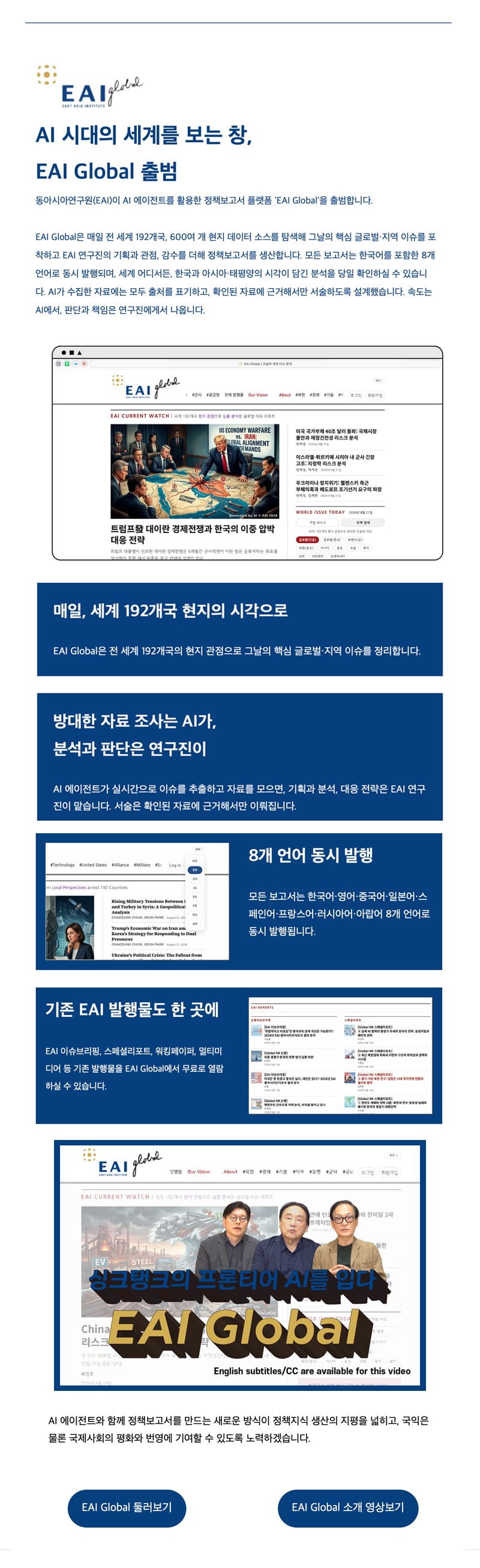
Niranjan Sahoo 2022-09-20조회 : 8251